Radial Trenching: Giving Tree Roots More Room to Grow
Much of a tree’s root system is hidden, and problems below ground may not become apparent until symptoms appear above ground. Reduced growth, canopy thinning, dieback, or other changes can sometimes be linked to stress in the root zone.
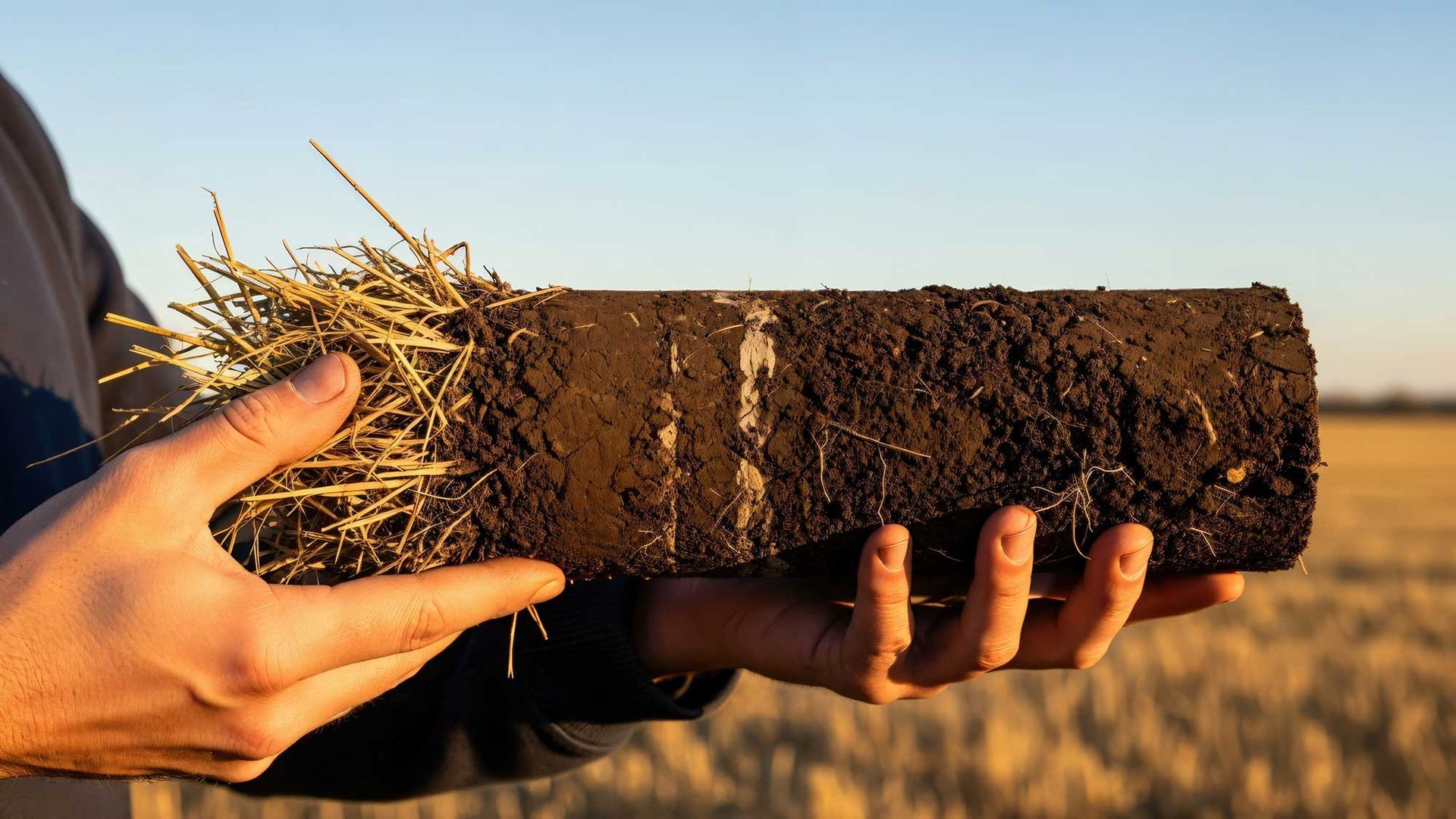
In compacted or poor-quality soils, roots may struggle to penetrate the surrounding soil. Radial trenching is a technique arborists may recommend to improve parts of the root zone and create better conditions for future root development.
What Is Radial Trenching?
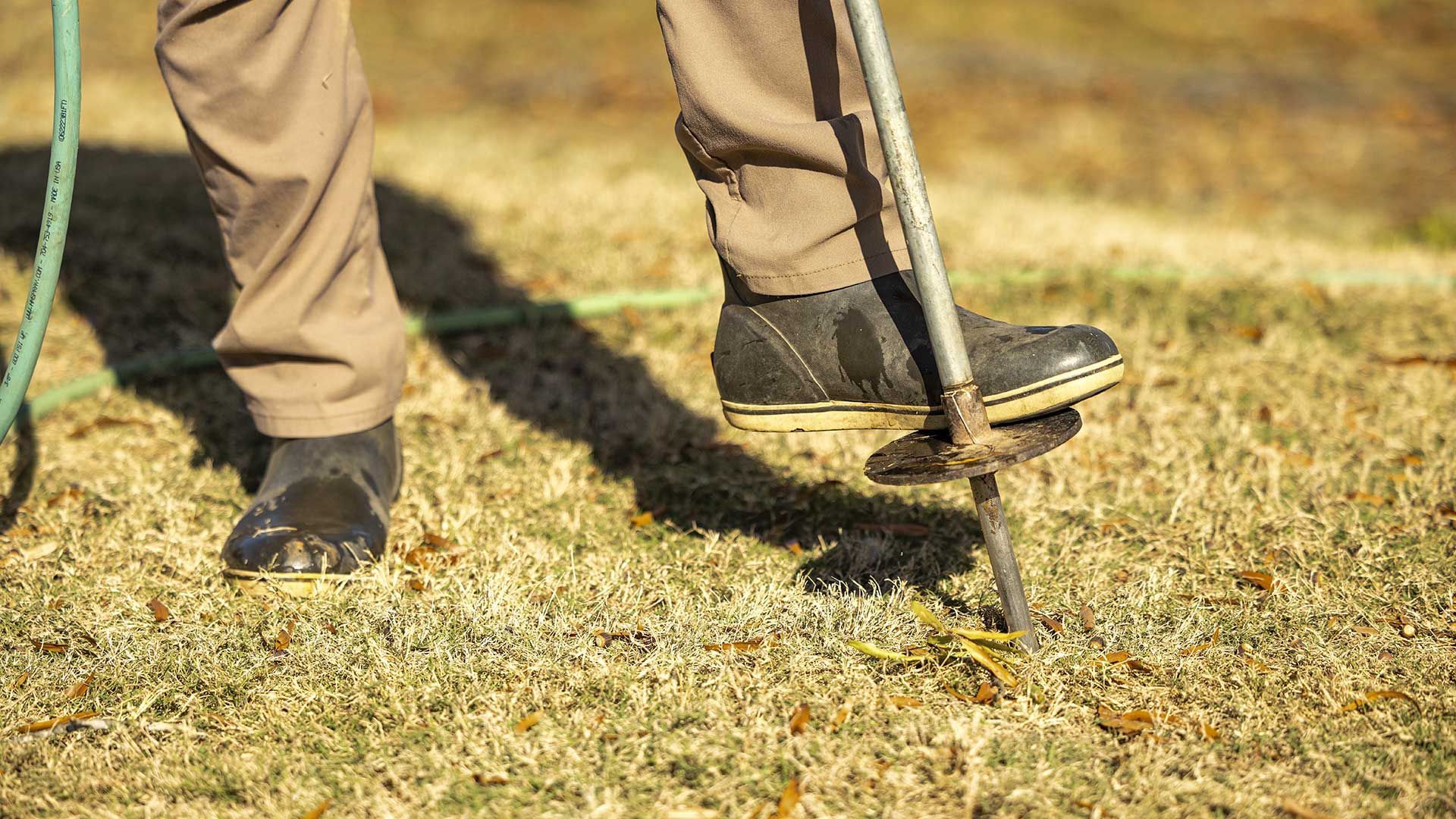
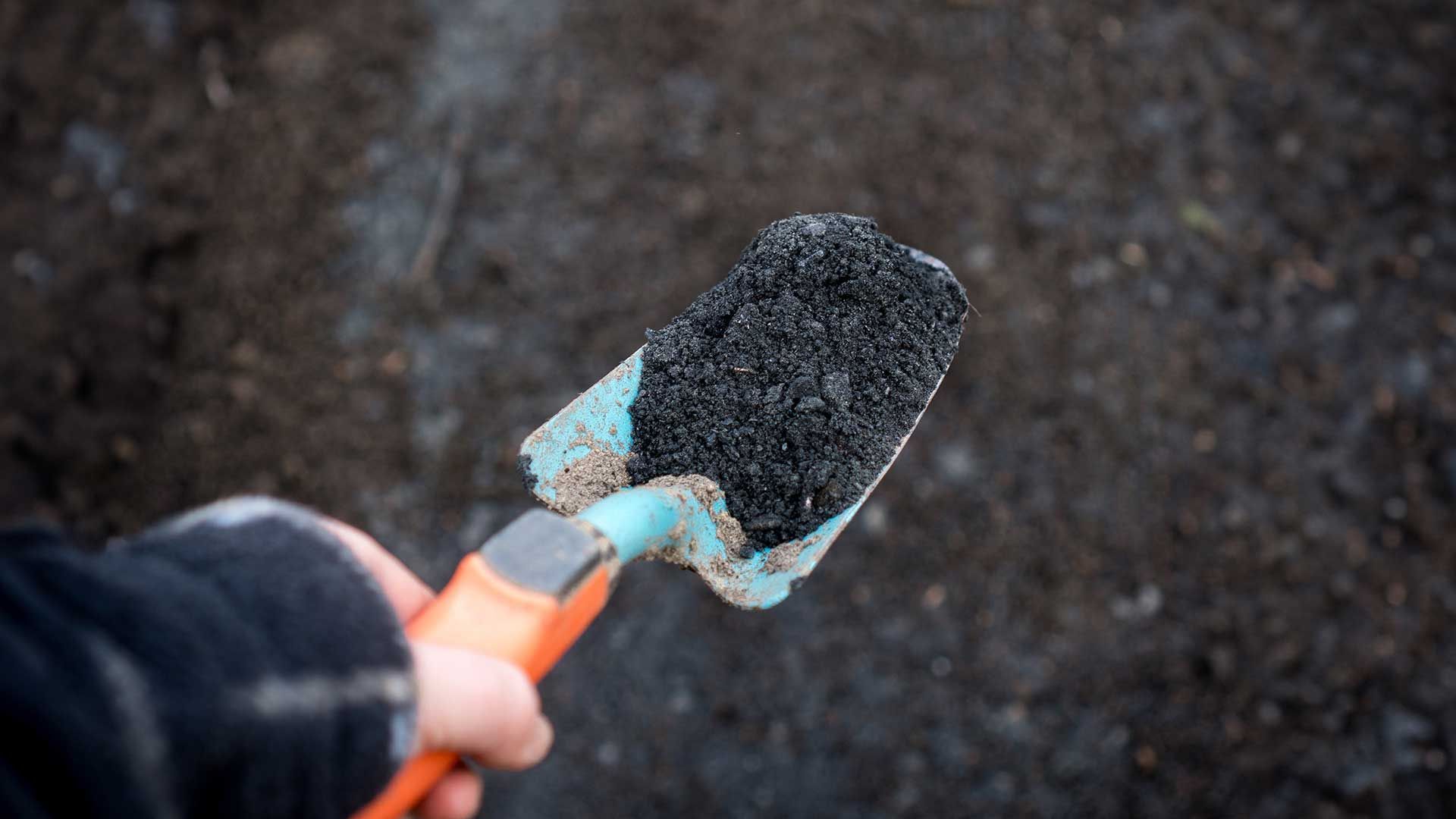
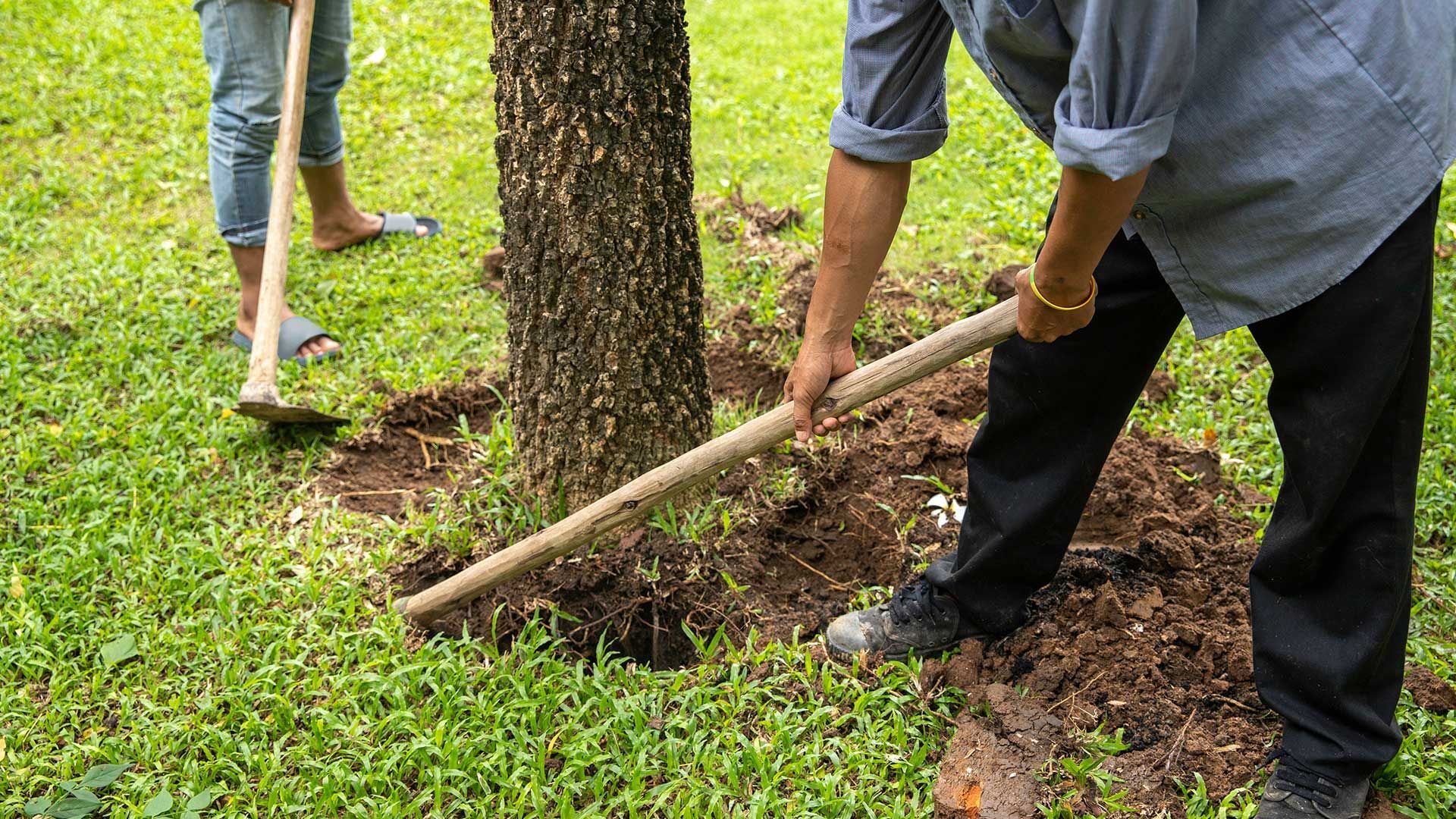
Radial trenching involves creating narrow trenches that radiate outward from a tree, like spokes on a wheel. Rather than excavating the entire root zone, an arborist targets specific areas to protect important existing roots. Compacted or poor-quality soil within the trenches can then be loosened or replaced with appropriate material and amendments, tailored to site conditions.
Pair Below-Ground Care with Seasonal Tree Inspections
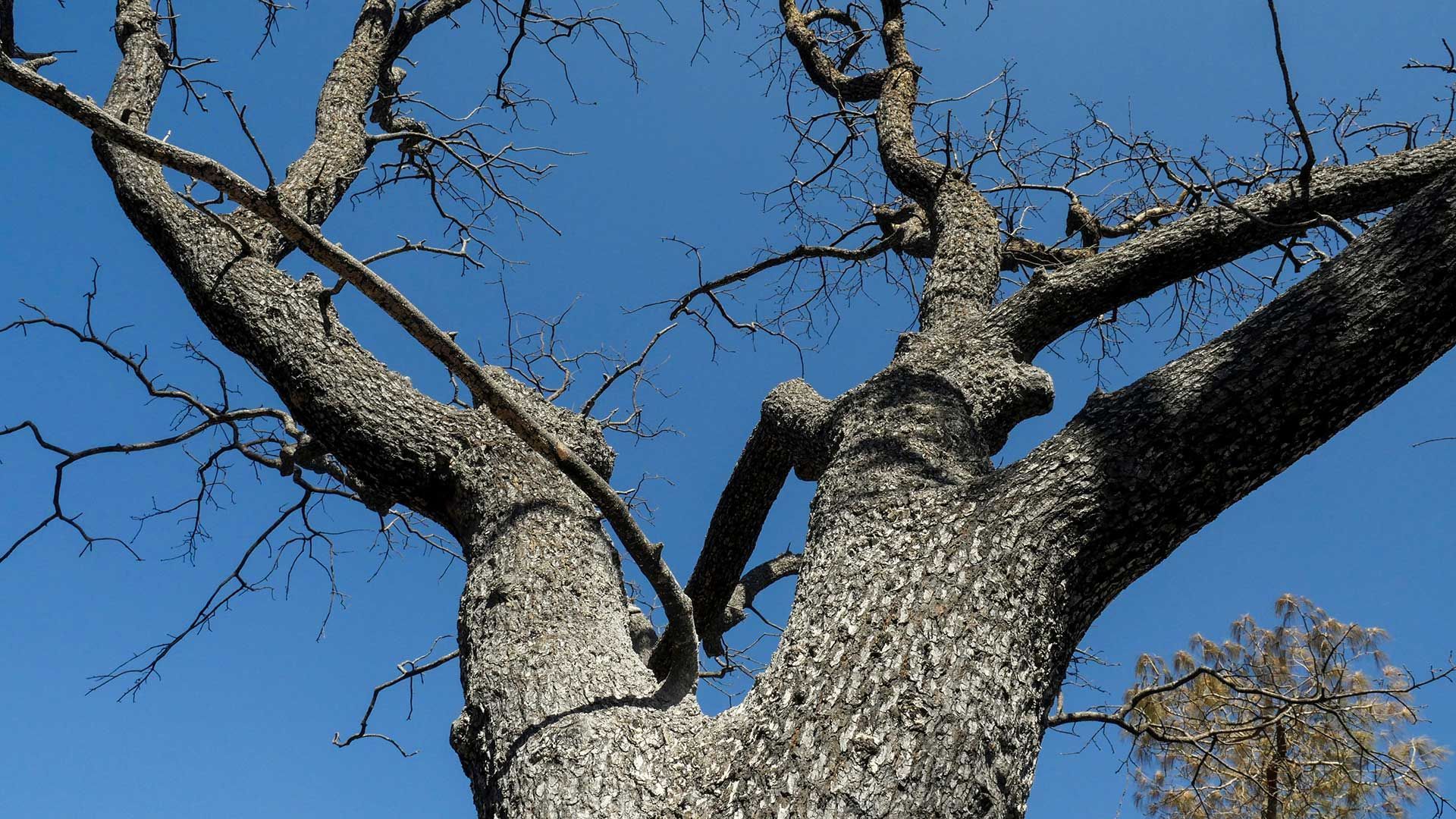
Fall offers an opportunity to assess overall tree condition. Before deciduous trees lose their leaves, look for changes in the canopy. Dead or dying limbs, sparse foliage, unusual discoloration, and areas of decline may be easier to spot when the surrounding foliage provides a point of comparison.
Winter can also offer pruning opportunities because the branch structure is often easier to see without leaves. Belowground, an arborist may recommend root-zone treatments or selective root pruning when conditions warrant it. Just as canopy pruning should be performed with the tree’s long-term structure in mind, root work requires careful planning to avoid compromising tree health or stability.
Taking care of each part gives your trees a better foundation for the seasons ahead.
Before winter arrives, take a closer look at the whole tree. Call us today at 833-544-8733 (TREE) to schedule a free consultation and estimate.