Before the Storm: Seven Ways to Protect Your Trees, Home, and Family
Storm season can arrive with little warning, but preparing your property doesn't have to be a last-minute scramble. Healthy, well-maintained trees are less likely to fail in high winds, heavy rain, or ice storms. Taking proactive steps before severe weather hits can help protect your home, reduce property damage, and keep your family safe. At Xylem Tree Care, we believe preparation is the best defense against storm-related tree damage. Here are seven ways to prepare your landscape before the next storm.
1. Schedule a Professional Tree Inspection
Not every tree hazard is easy to spot.
Trees may appear healthy while hiding internal decay, structural weaknesses, or damaged root systems. A professional inspection can identify problems before they become an emergency.
ISA Certified Arborists know what to look for. They assess tree structure, branch attachments, signs of disease and insect activity, and other conditions that may increase the risk of failure during severe weather.
An inspection provides valuable information that helps homeowners make informed decisions before storm season begins.
2. Remove Dead or Damaged Branches
Dead branches are often the first to fall in a storm.
Even small limbs can damage roofs, vehicles, fences, or power lines when strong winds arrive.
Routine pruning removes weak, damaged, or dying branches before they become hazardous. Proper pruning also improves the tree's overall structure and reduces wind resistance.
Tree pruning should always follow industry standards to protect the tree's long-term health.
3. Watch for Trees Growing Too Close to Your Home
Trees add beauty, shade, and value to your property. However, large branches that extend over your roof or grow near your home warrant extra attention before storm season.
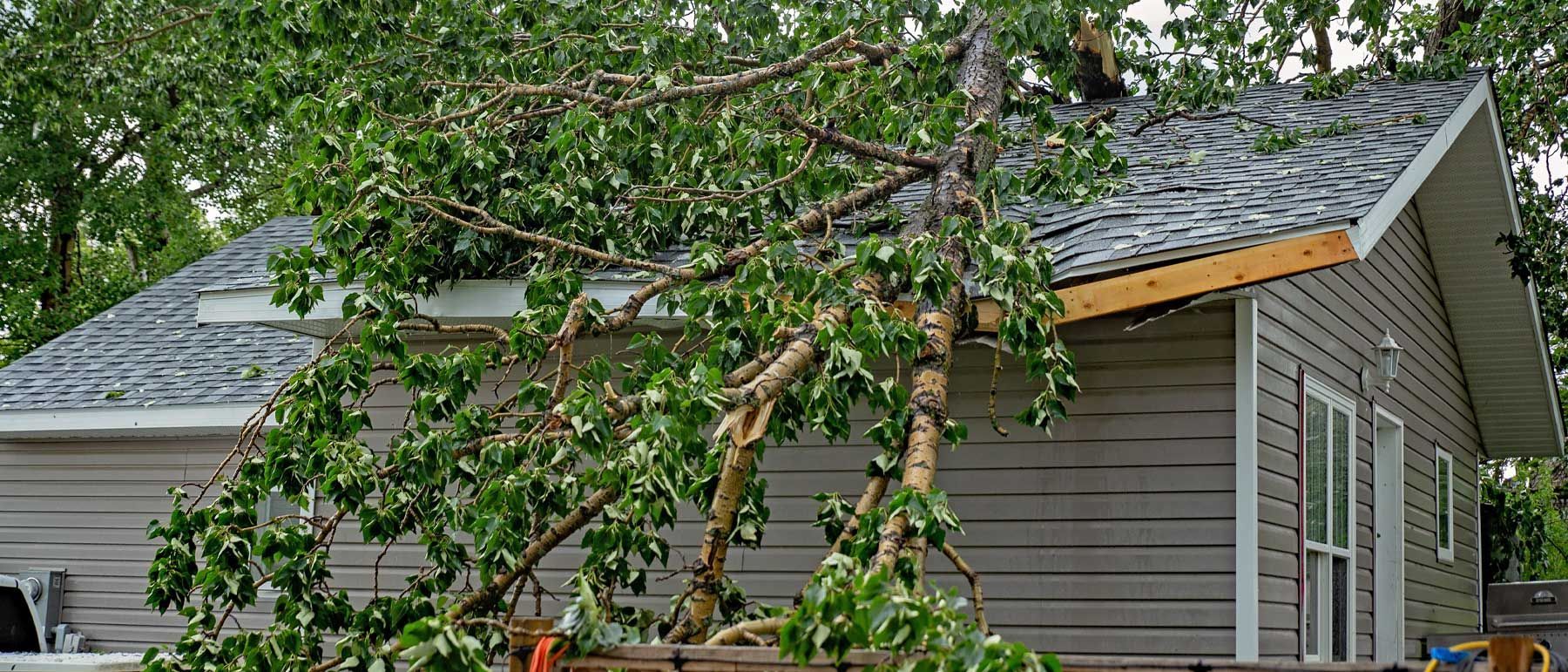
During severe weather, heavy limbs can break unexpectedly, damaging roofs, gutters, windows, or siding.
A professional arborist can recommend selective pruning or other measures to reduce risk while preserving the tree's health and appearance.
Small adjustments today may prevent costly repairs tomorrow.
4. Don't Ignore Signs of Tree Stress
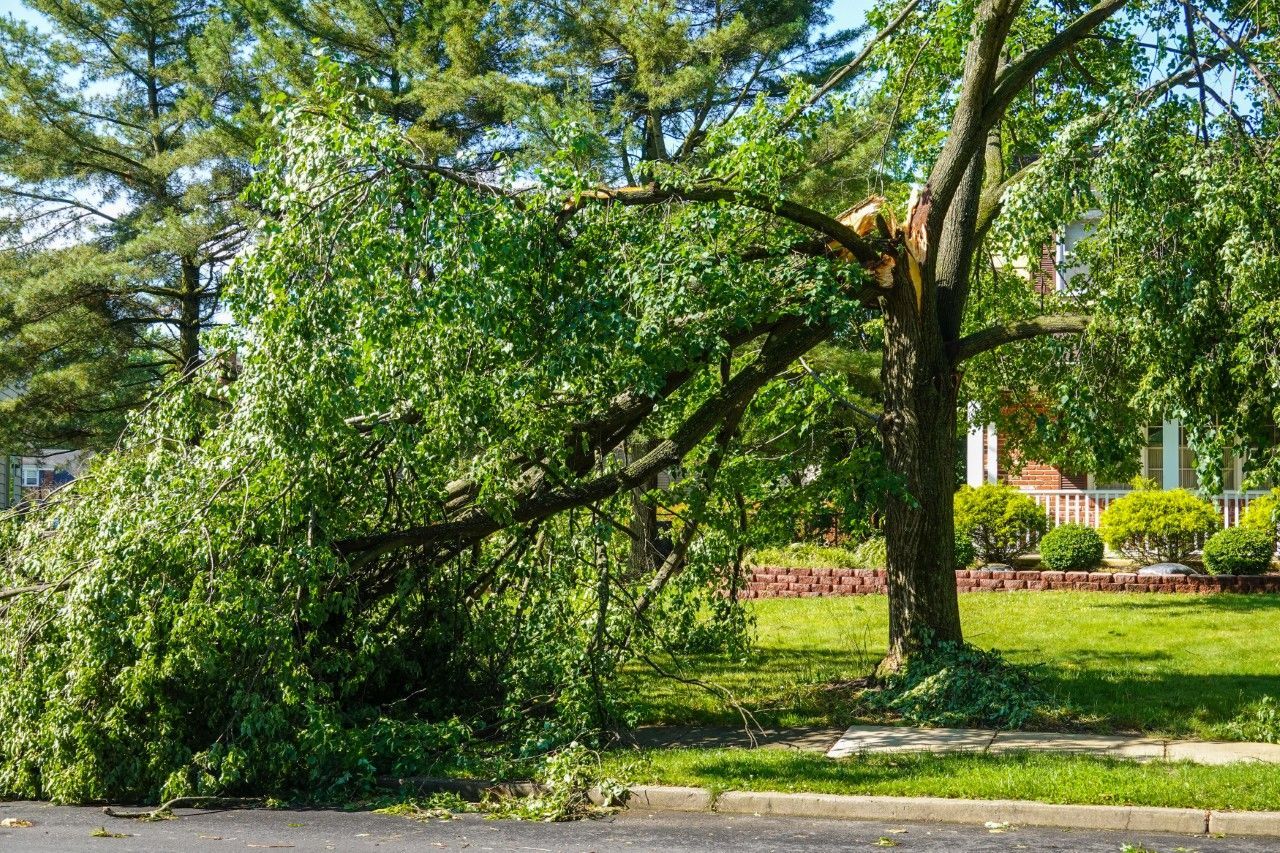
Trees often show warning signs before they fail.
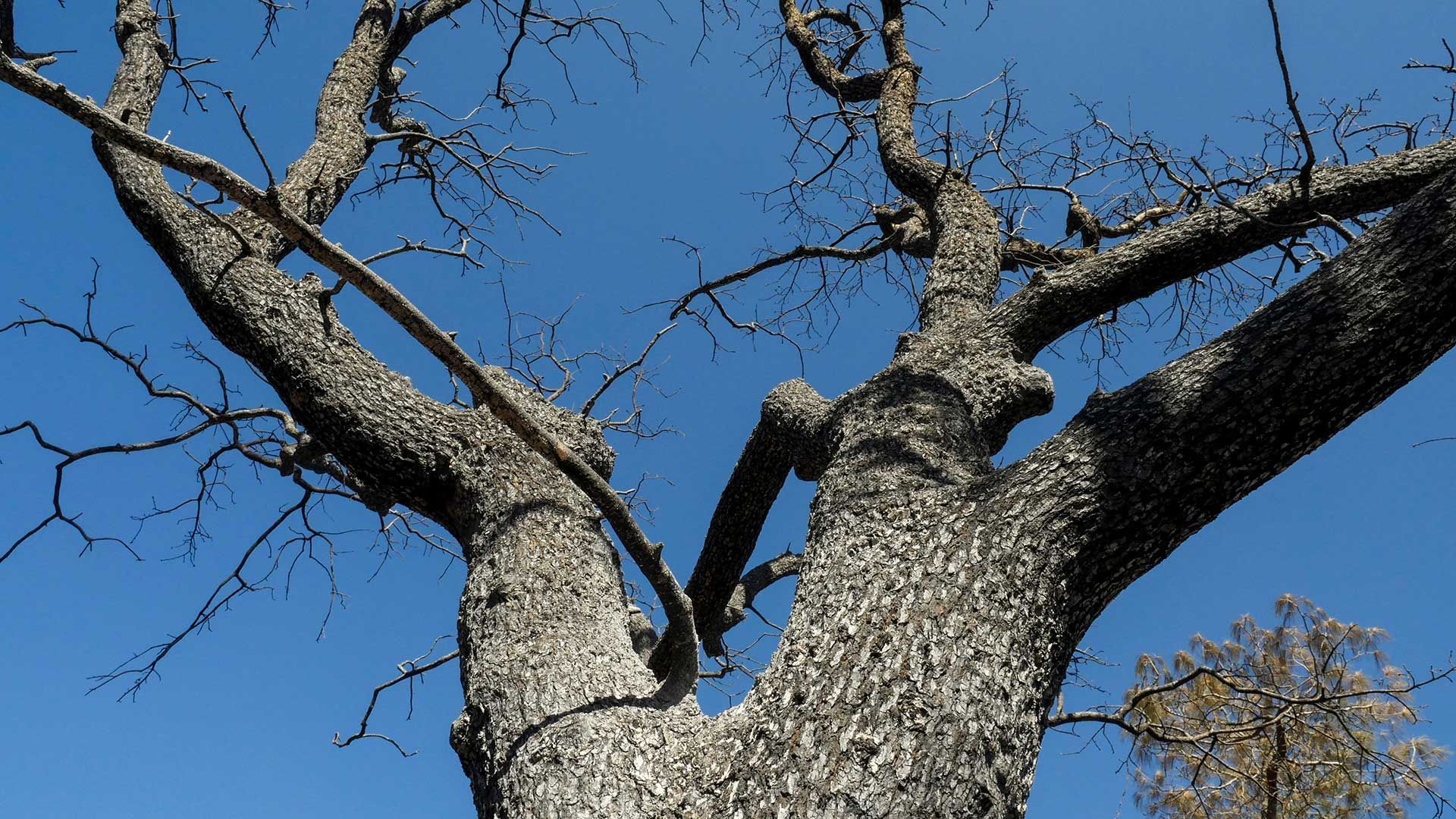
Look for cracked trunks, leaning trees, mushrooms near the base, exposed roots, large cavities, or branches without leaves during the growing season.
These signs do not always mean a tree must be removed, but they should be evaluated by a qualified arborist.
Addressing problems early is often safer and more affordable than waiting until after storm damage occurs.
5. Keep Your Landscape Well-Maintained
Storm preparation goes beyond caring for large trees.
Loose branches, overgrown shrubs, and yard debris can become airborne in high winds. These materials can damage windows, vehicles, or neighboring properties.
Regular landscape maintenance reduces storm hazards and improves your property's overall appearance.
Simple tasks such as removing dead limbs, securing outdoor furniture, and cleaning gutters can make a significant difference when severe weather arrives.
Preparation often begins with routine maintenance.
6. Know When Tree Removal Is the Best Option
Not every tree can — or should — be saved. Sometimes, removal is the safest choice.
Trees with severe decay, significant structural damage, or major root problems may pose unacceptable risks during storms.
Removing a hazardous tree before severe weather hits is often safer than handling an emergency removal after it falls.
A professional arborist can help determine whether a tree can be preserved or whether removal is the safest option for your property.
Making that decision before storm season provides peace of mind for your family.
7. Have a Storm Recovery Plan
Even with proper preparation, storms can still cause damage.
Knowing whom to call after severe weather can reduce stress and speed recovery.
Choose a reputable tree care company before an emergency occurs. Save key contact information and avoid hiring unqualified contractors who appear after storms.
Professional tree care companies have the equipment, training, and experience to safely remove damaged trees while protecting your property.
Planning ahead helps you respond with confidence when unexpected situations arise.
Healthy Trees Are Stronger Trees
Healthy trees are generally more resilient in severe weather.
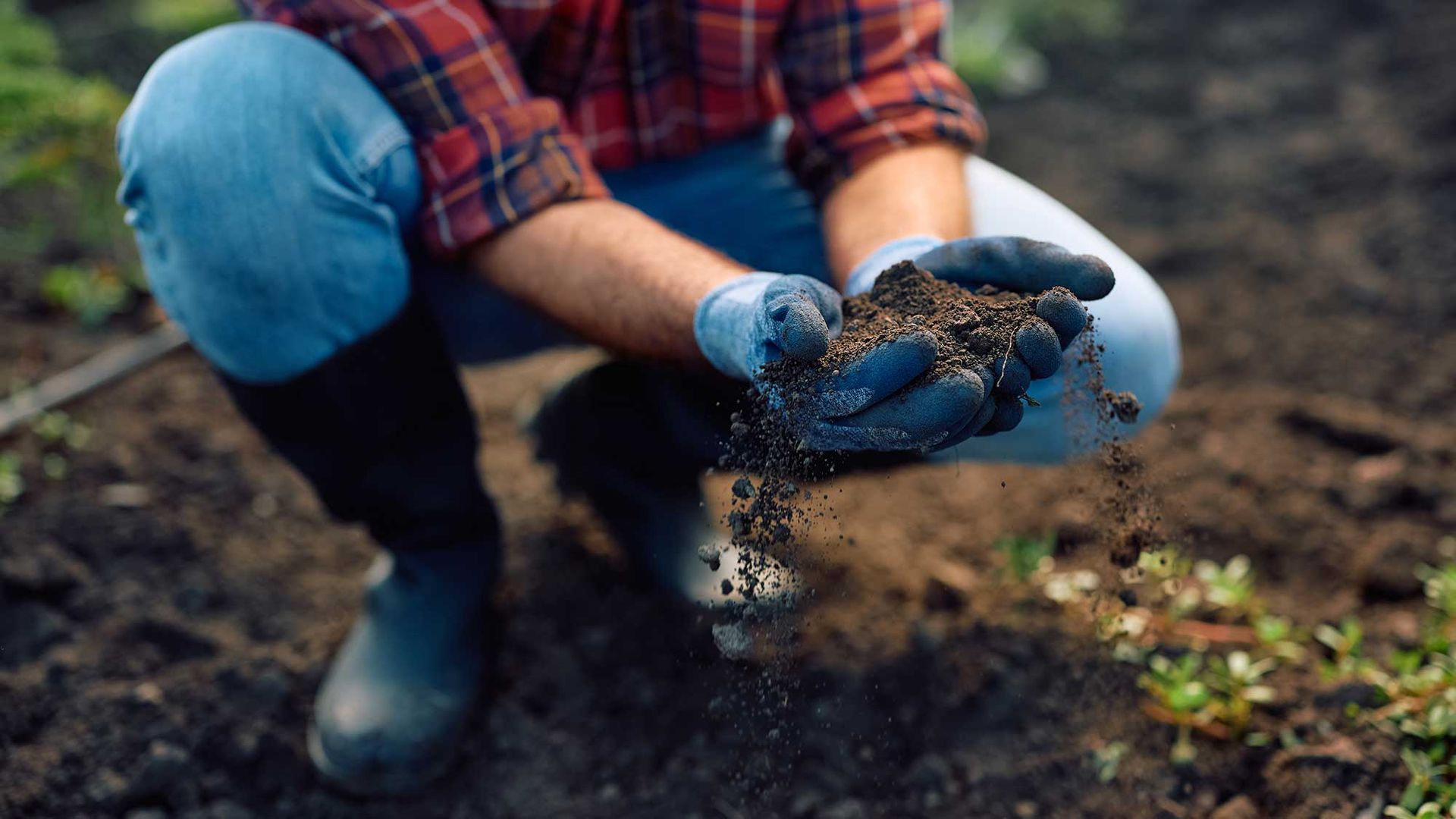
Regular pruning, proper watering, mulching, soil care, and routine inspections all contribute to stronger root systems and healthier branch structure.
Preventive tree care also enhances the beauty, safety, and long-term value of your landscape.
Investing in your trees today helps protect your home for years to come.
Protect Your Property Before the Next Storm
Storm season is unpredictable, but preparation is within your control.
Xylem Tree Care has helped homeowners and businesses protect their landscapes for decades. Our ISA Certified Arborists provide professional tree inspections, pruning, tree removal, plant health care, and emergency tree services throughout the Mid-Atlantic.
Whether you need a routine inspection or want to prepare your property for storm season, our team is here to help.
Taking action now can reduce risk, protect your investment, and provide greater peace of mind when severe weather arrives.