June Beetles vs. Your Trees: When to Act and When to Wait
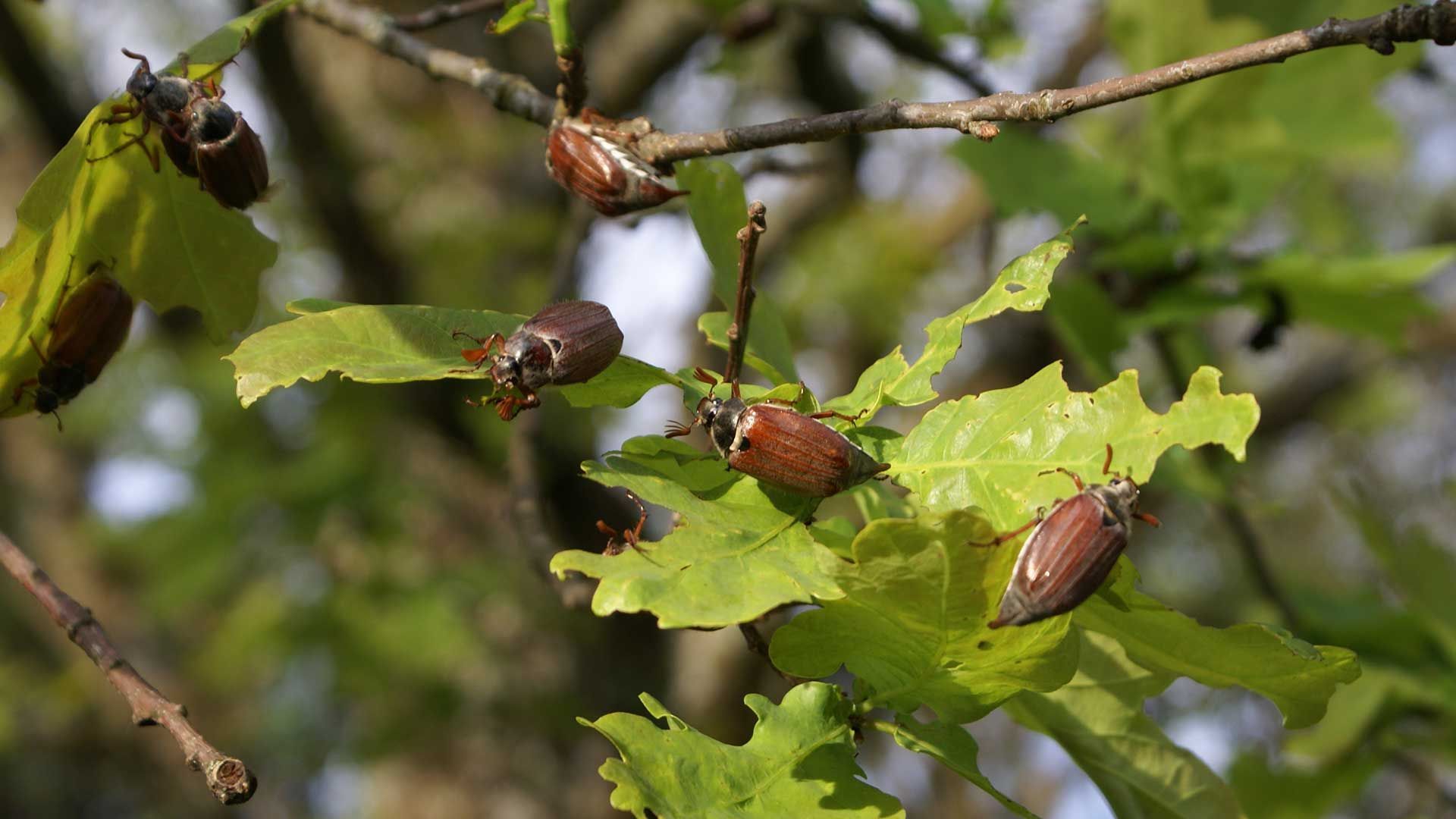
If you've noticed leaves that appear chewed, lace-like, or partially skeletonized this summer, June beetles may be the culprit.
The good news? In most cases, treatment is not necessary.
What Is Leaf Skeletonization?
Skeletonization occurs when insects consume soft tissue between leaf veins, leaving behind a network of visible veins.
June beetles and other leaf-feeding insects can create noticeable cosmetic damage, especially during peak activity periods.
When Is It a Problem?
Healthy, established trees can typically tolerate moderate feeding without significant long-term impacts.
Treatment is usually unnecessary when:
- Damage is limited to portions of the canopy
- Trees are otherwise healthy
- Defoliation is light to moderate
When Should Homeowners Act?
A professional evaluation may be warranted when:
- Large portions of the canopy are affected
- Complete defoliation is occurring
- Young trees are being impacted
- Multiple years of severe feeding have occurred
Repeated, severe defoliation can weaken trees and increase vulnerability to other stressors.
Seeing insect activity can be alarming, but not every pest problem requires treatment.
The best approach is often monitoring the situation and determining whether the damage is truly affecting tree health.
If you're unsure whether June beetles or other insects are causing serious harm, Xylem Tree Care can provide an expert assessment and recommend treatment only when necessary.
Call us today at 833-544-8733 (TREE) to schedule a free consultation and estimate.