Why Winter Is the Best Time for Tree Removal
February 9, 2026
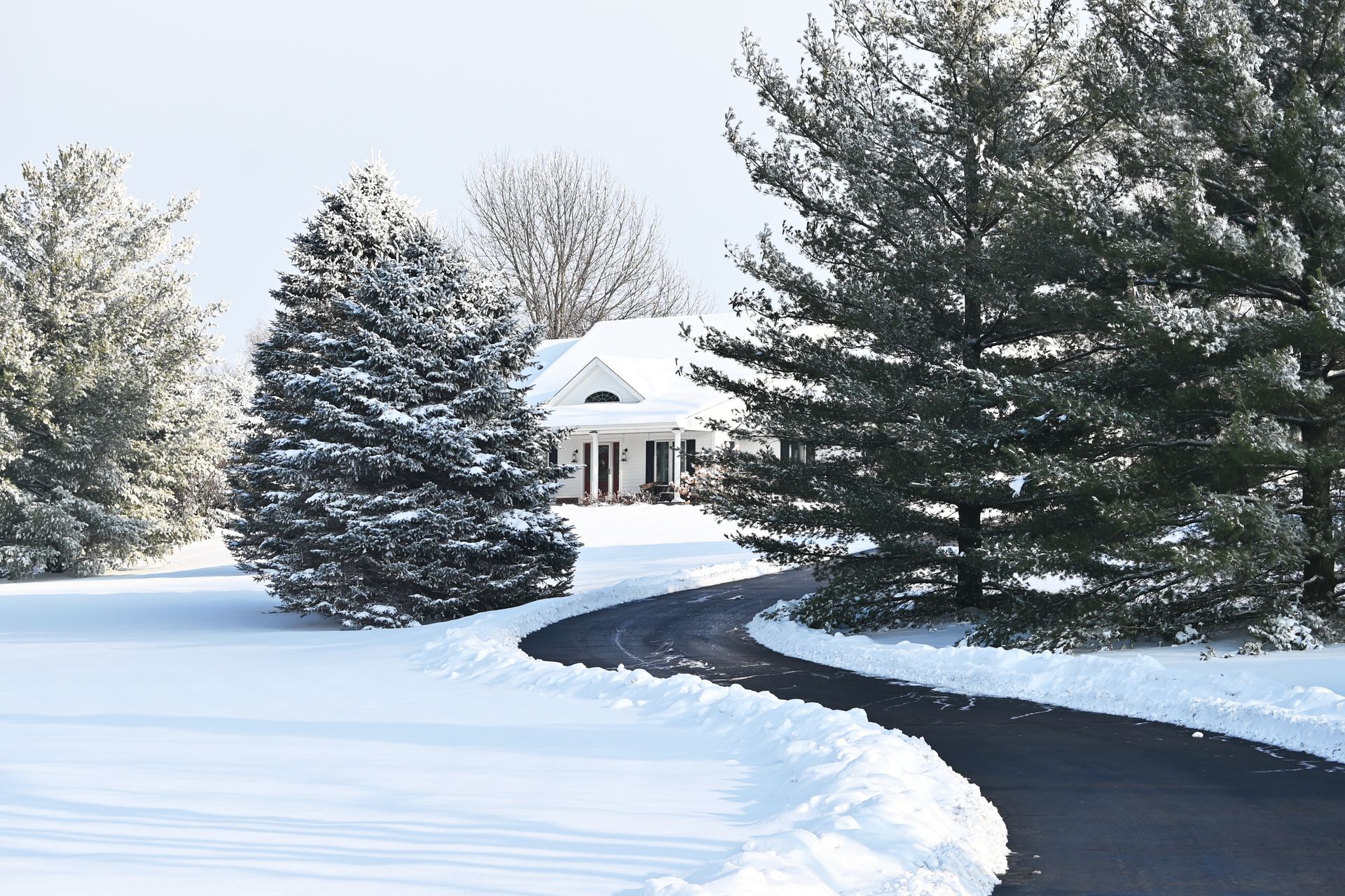
Most people picture tree removal as an emergency after spring storms or summer winds. In fact, winter often proves to be the best, safest, and most efficient time to remove trees that are declining, damaged, or structurally unsound.
During winter, trees are dormant. Without active growth, removal causes less stress to surrounding plants and reduces disruption to the landscape. Frozen or firm ground allows equipment to operate more effectively, minimizing turf damage, soil compaction, and rutting — especially important for residential lawns, commercial properties, and shared HOA spaces.
Leaf-off conditions also enhance visibility. Without foliage obscuring the canopy, arborists can clearly see branch structure, attachment points, and potential hazards. This makes winter removals more precise and controlled, reducing risks to nearby structures, utilities, and healthy trees.
Another major advantage is scheduling. Spring and summer are peak seasons for tree care, often driven by storm responses and rapid growth issues. Winter usually offers more availability, allowing property owners to address known concerns without the pressure of emergency timelines or limited crew access.
Removing problem trees in winter helps prevent bigger issues later. Trees weakened by decay, disease, or previous storm damage are much more likely to fail during spring wind and ice storms. Addressing them early reduces the chance of sudden failure, property damage, or expensive emergency removals.
Key benefits of winter tree removal include:
- Reduced landscape and turf impact
- Better access and enhanced safety
- Clear visibility for accurate work
- Faster scheduling before peak demand
- Lower risk as storm season approaches
If a tree has already shown signs like leaning, declining, cracked, or damaged bark, winter is the best time to take action. Proactive removal safeguards your property and promotes a safer, healthier landscape in spring.
Start your customized tree health program today and give your trees the care they deserve. Call 1-833-544-8733 to learn more. Evaluations are free.
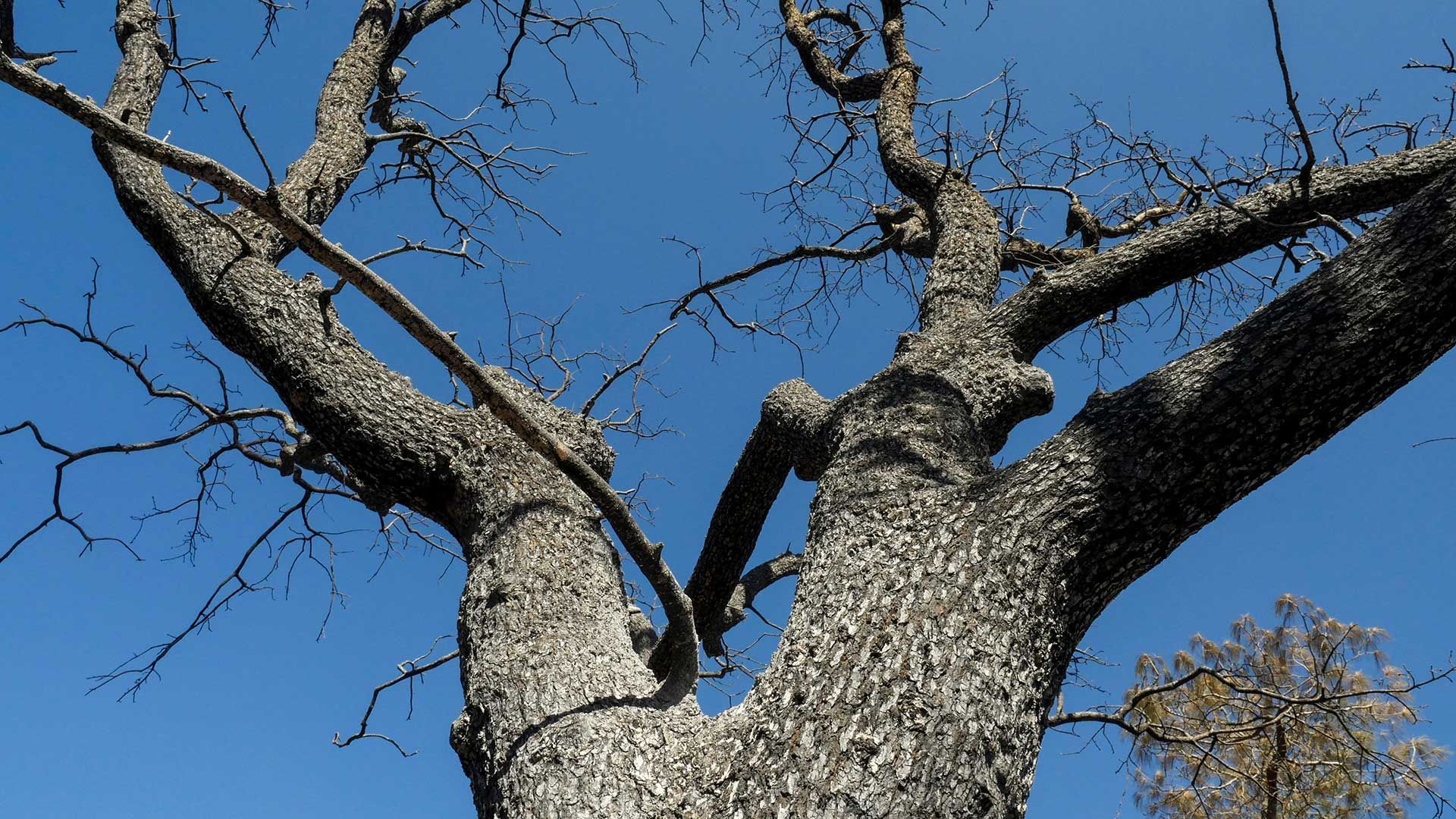
Summer heat can be tough on trees, but prolonged dry conditions can be especially damaging for oaks. Across many communities this year, arborists are seeing significant drought stress in mature oak trees. Leaves may begin darkening around the edges, thinning prematurely, or dropping long before fall arrives. In severe cases, entire sections of the canopy can die back. Why Oaks Are Vulnerable While oak trees are generally resilient, extended periods of heat and drought can weaken their defenses and make them more susceptible to pests, diseases, and decline. Because many oak species have extensive root systems, homeowners often assume they don't need supplemental watering. Unfortunately, that's not always the case during prolonged dry weather. The Easiest Solution: Proper Watering The most effective treatment for drought stress is often the simplest. Rather than watering near the trunk, focus on the area beneath the canopy where most absorbing roots are located. Deep, infrequent watering is far more beneficial than frequent shallow watering. Trees benefit when moisture reaches 6–9 inches into the soil profile. General Watering Guidelines
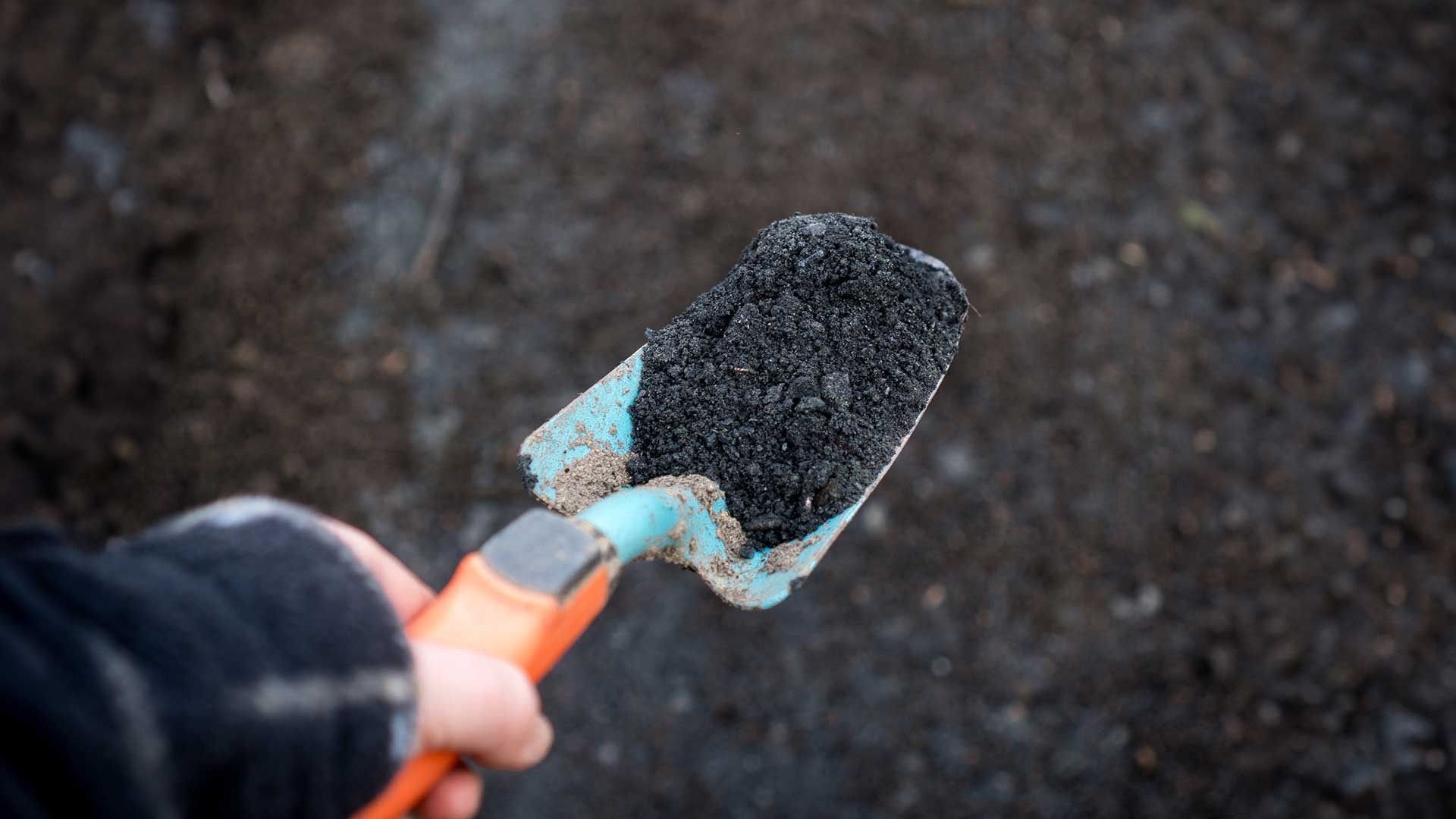
When temperatures climb and rainfall becomes scarce, healthy soil becomes one of a tree's most valuable assets. That's where biochar can make a difference. What is Biochar? Biochar is a carbon-rich material produced from organic matter through a specialized heating process. Its highly porous structure acts like a sponge within the soil, helping retain water, nutrients, and beneficial microorganisms. Benefits may include: Improved water storage Better drought tolerance Enhanced soil structure Increased nutrient retention Reduced soil compaction For stressed urban trees, these improvements can have a remediating impact on long-term health. Our Biochar Solutions At Xylem Tree Care, we offer biochar treatments tailored to seasonal needs. Summer Applications : Our liquid biochar treatments can be incorporated into soil care programs during the growing season to support stressed trees and improve soil performance. Fall and Winter Applications : Granular biochar applications provide long-term soil improvements and help prepare trees for future environmental stress. A Long-Term Investment in Tree Health Biochar isn't a quick fix, but it can be an excellent component of a comprehensive tree health program — especially for trees dealing with heat, drought, and compacted soils. Our certified arborists can determine whether biochar treatments are appropriate for your property. Call us today at 833-544-8733 (TREE) to schedule a free consultation and estimate.
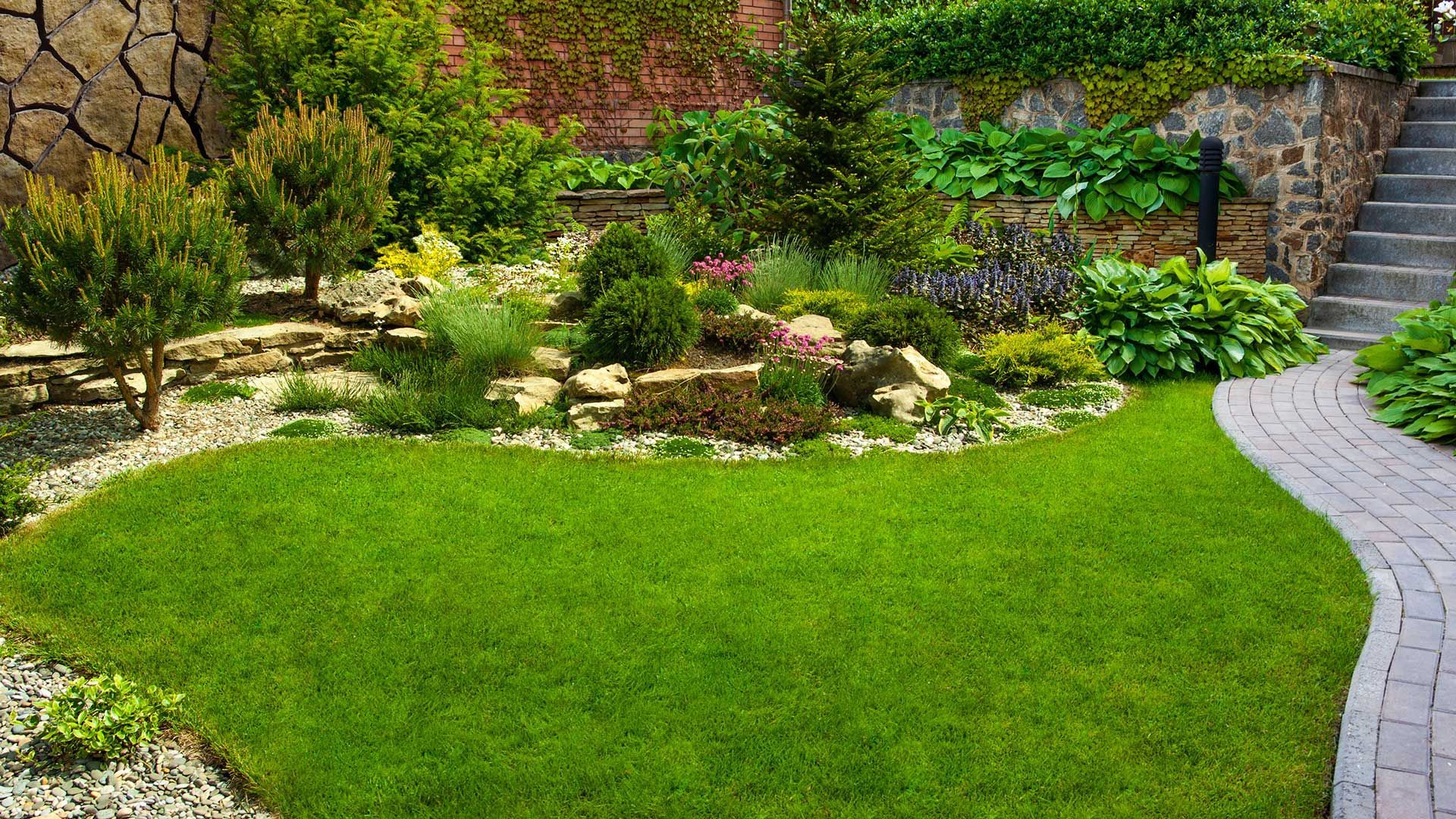
Rock beds may look attractive and low maintenance, but they can pose serious challenges for trees during the summer months. The Problem with Decorative Stone Unlike organic mulch, rock absorbs and retains heat throughout the day. As temperatures rise, stone landscaping can: Increase soil temperatures Accelerate moisture loss Stress tree roots Create a harsher growing environment The effect is like placing your tree's root system inside an oven during the hottest months of the year. Why Trees Need Cooler Soil Tree roots perform best in moderate soil temperatures with consistent moisture. Excessive heat can: Reduce root growth Limit water uptake Increase drought stress Contribute to overall decline These issues become even more pronounced during extended dry periods. A Better Alternative: Mulch Organic mulch provides several benefits: Conserves moisture Moderates soil temperature Reduces weed competition Improves soil quality over time A two-to-four-inch layer of mulch around the root zone can significantly improve growing conditions. Just remember to keep mulch away from the trunk to prevent decay and pest issues. What's Best? Every landscape is different. If you're concerned about declining trees surrounded by decorative rock, a professional evaluation can help determine whether changes to the root environment could improve tree health. Call us today at 833-544-8733 (TREE) to schedule a free consultation and estimate.
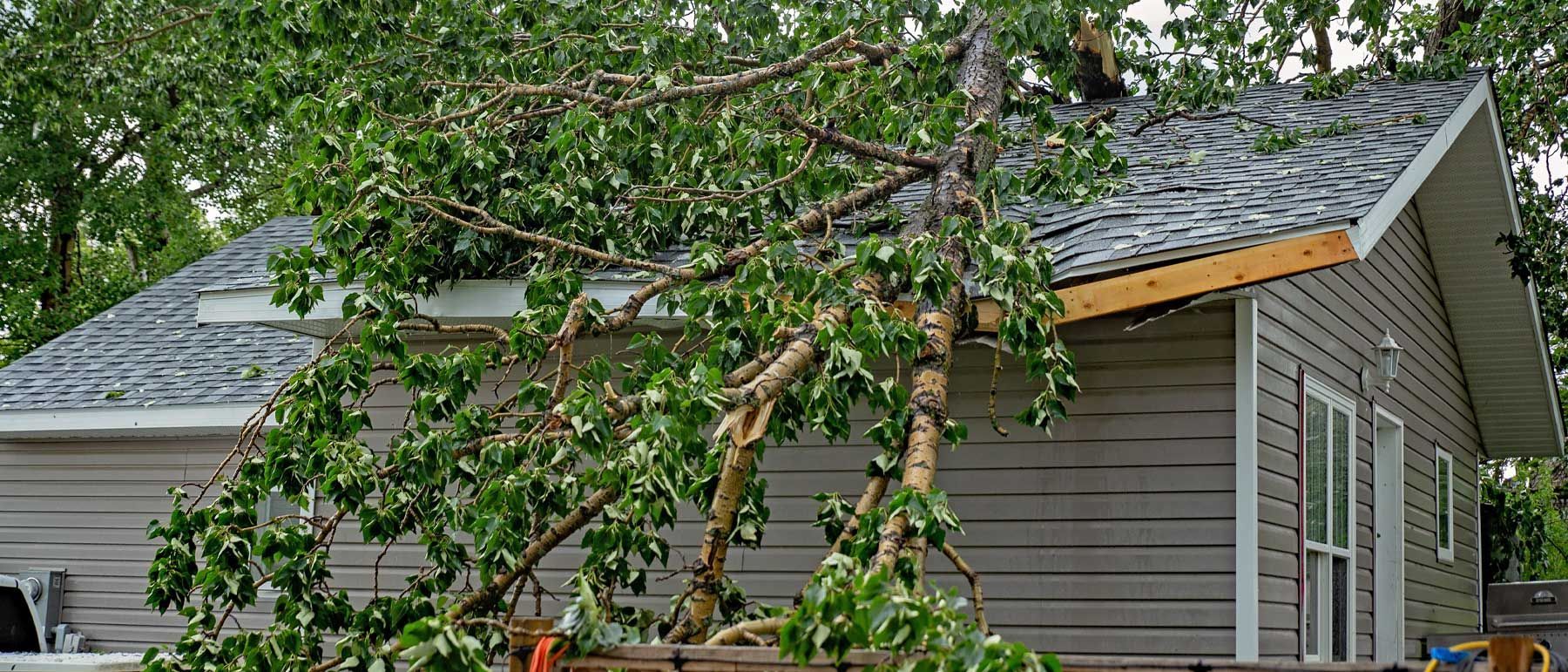
Prepare your home before severe weather arrives. Learn seven expert tips from certified arborists at Xylem Tree Care to protect your trees, property, and family during storm season.

Many homeowners notice dead branches or overgrown limbs during the summer and immediately reach for a pruning tool. However, extensive pruning during periods of heat and drought can place additional stress on an already struggling tree. Trees Need Their Leaves Leaves are the tree's food factories. During summer, trees rely on their canopy to produce energy and support root growth, water uptake, and overall health. Removing large portions of the canopy can: Increase drought stress Reduce energy production Expose bark to sunscald Slow recovery from existing health issues When is Pruning Appropriate? Summer pruning should generally be limited to: Dead branches Broken limbs Storm-damaged branches Immediate safety hazards Removing hazardous limbs can reduce risk while preserving as much healthy canopy as possible. For many tree species, dormant-season pruning during late fall and winter is ideal. Trees are less stressed, disease pressure is often lower, and the branch structure is easier to evaluate. Safety Comes First If a branch is hanging over a home, driveway, sidewalk, or power line, waiting may not be an option. A certified arborist can determine whether selective hazard pruning is necessary now and help develop a long-term pruning plan. At Xylem Tree Care, our goal is to improve tree health while reducing risk — not simply remove branches. Call us today at 833-544-8733 (TREE) to schedule a free consultation and estimate.
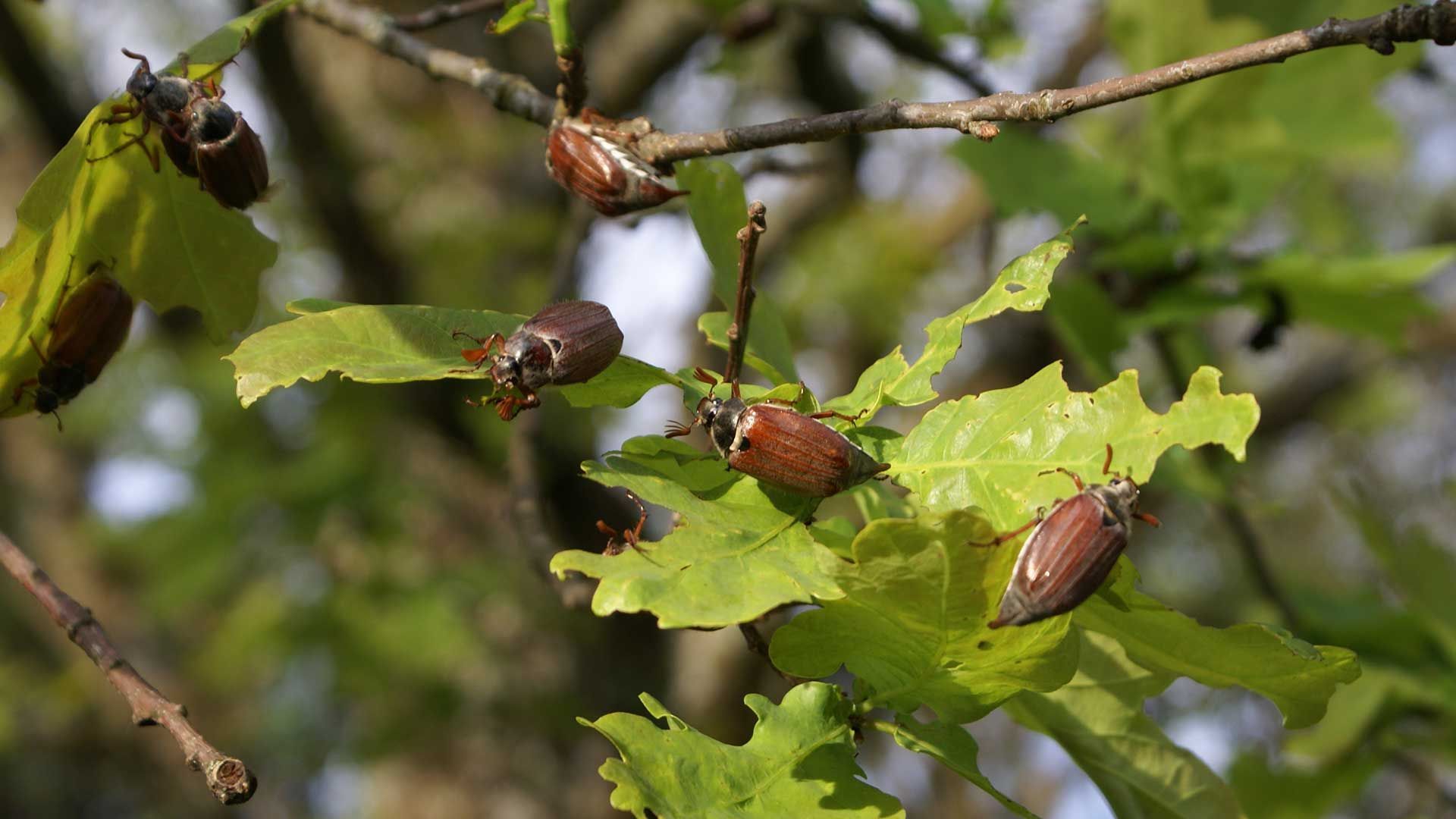
If you've noticed leaves that appear chewed, lace-like, or partially skeletonized this summer, June beetles may be the culprit. The good news? In most cases, treatment is not necessary. What Is Leaf Skeletonization? Skeletonization occurs when insects consume soft tissue between leaf veins, leaving behind a network of visible veins. June beetles and other leaf-feeding insects can create noticeable cosmetic damage, especially during peak activity periods. When Is It a Problem? Healthy, established trees can typically tolerate moderate feeding without significant long-term impacts. Treatment is usually unnecessary when: Damage is limited to portions of the canopy Trees are otherwise healthy Defoliation is light to moderate When Should Homeowners Act? A professional evaluation may be warranted when: Large portions of the canopy are affected Complete defoliation is occurring Young trees are being impacted Multiple years of severe feeding have occurred Repeated, severe defoliation can weaken trees and increase vulnerability to other stressors. Seeing insect activity can be alarming, but not every pest problem requires treatment. The best approach is often monitoring the situation and determining whether the damage is truly affecting tree health. If you're unsure whether June beetles or other insects are causing serious harm, Xylem Tree Care can provide an expert assessment and recommend treatment only when necessary. Call us today at 833-544-8733 (TREE) to schedule a free consultation and estimate.
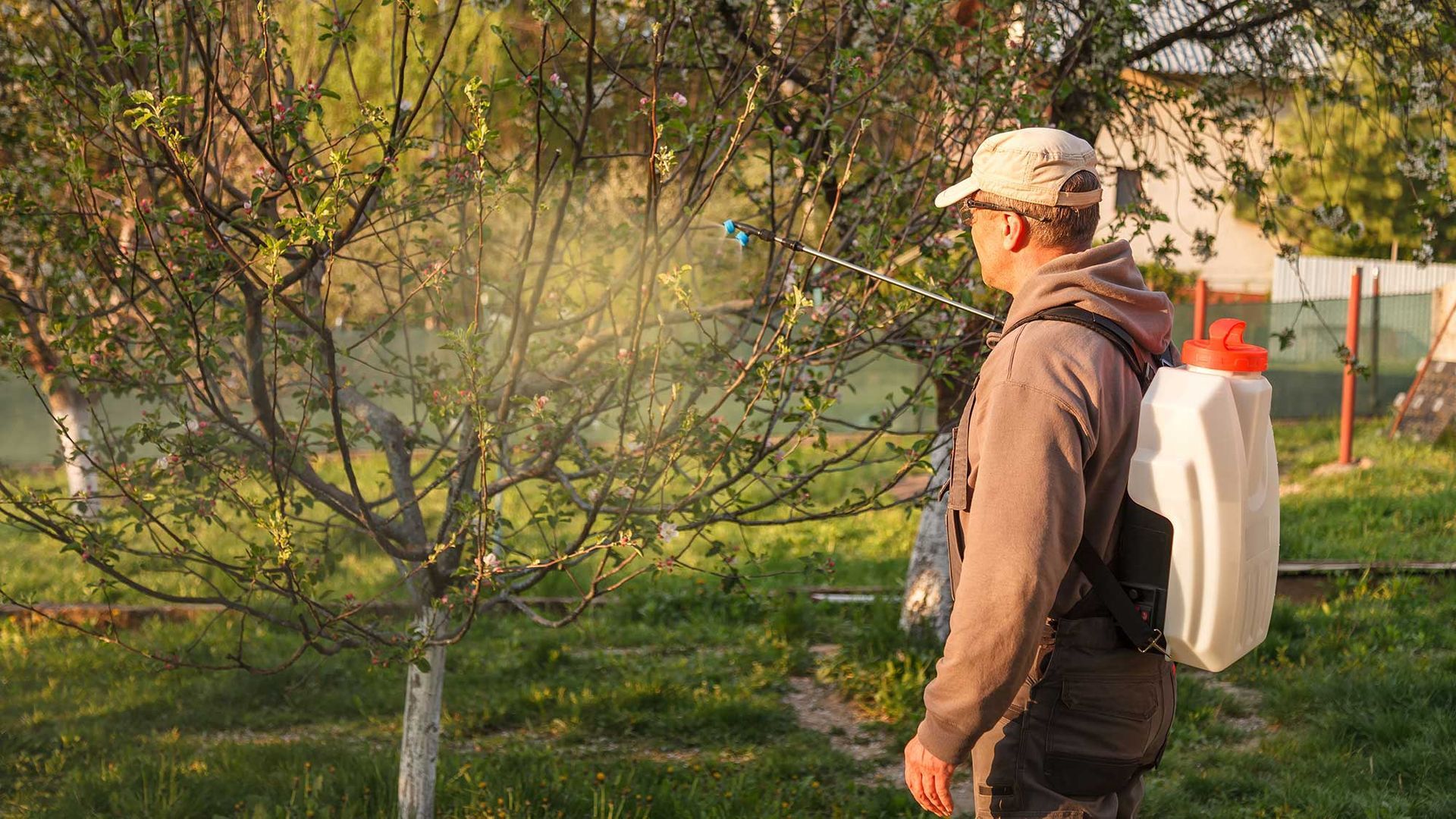
Not every pest treatment has to work the same way. In tree care, the best solutions are often targeted, strategic, and designed around the pest’s life cycle. One tool arborists may use in the right situation is an insect growth regulator (IGR). These products do not always kill insects on contact. Instead, they disrupt development, helping prevent immature insects from becoming damaging adults. When used properly, insect growth regulators can be an effective part of an integrated plant health care plan. What is an insect growth regulator? An insect growth regulator is a product designed to disrupt the growth and development of certain insects. Depending on the active ingredient and target pest, an IGR may prevent immature insects from molting properly, maturing into adults, or reproducing successfully. In simple terms, it interrupts the pest’s life cycle. Timing is especially important. IGRs are often most effective when applied during specific stages of insect development. Why Arborists Use IGRs Some tree pests can cause significant damage if left untreated. However, not every situation requires the same treatment approach. Insect growth regulators may be recommended when arborists want a more targeted option as part of a broader pest management strategy. Potential benefits include: Targeted control: IGRs are typically designed for specific insect types and are often used when a pest issue is known. Life cycle disruption: By targeting immature stages, IGRs can reduce future pest pressure rather than addressing only what is visible at the moment. Useful in integrated care plans: IGRs can be one component of a broader plant health care program that may also include monitoring, soil care, pruning, and other treatments. Why proper diagnosis matters Not every insect issue warrants an IGR. The pest must be correctly identified, and the timing must align with the insect’s biology. That is why professional evaluation matters. An arborist will consider: Which pest is present The life stage of the insect The level of infestation The overall health of the tree Whether an IGR is the right fit for the situation Treating too early, too late, or for the wrong pest can reduce effectiveness. Part of a bigger tree health strategy At Xylem Tree Care, we take a thoughtful approach to plant health care. That means looking beyond quick fixes and recommending treatments grounded in science, timing, and the specific needs of the tree and property. Insect growth regulators can be a valuable tool in certain cases, especially when used as part of a proactive strategy to protect tree health and reduce pest pressure over time. The right treatment starts with the right diagnosis — and a plan designed for long-term tree health.
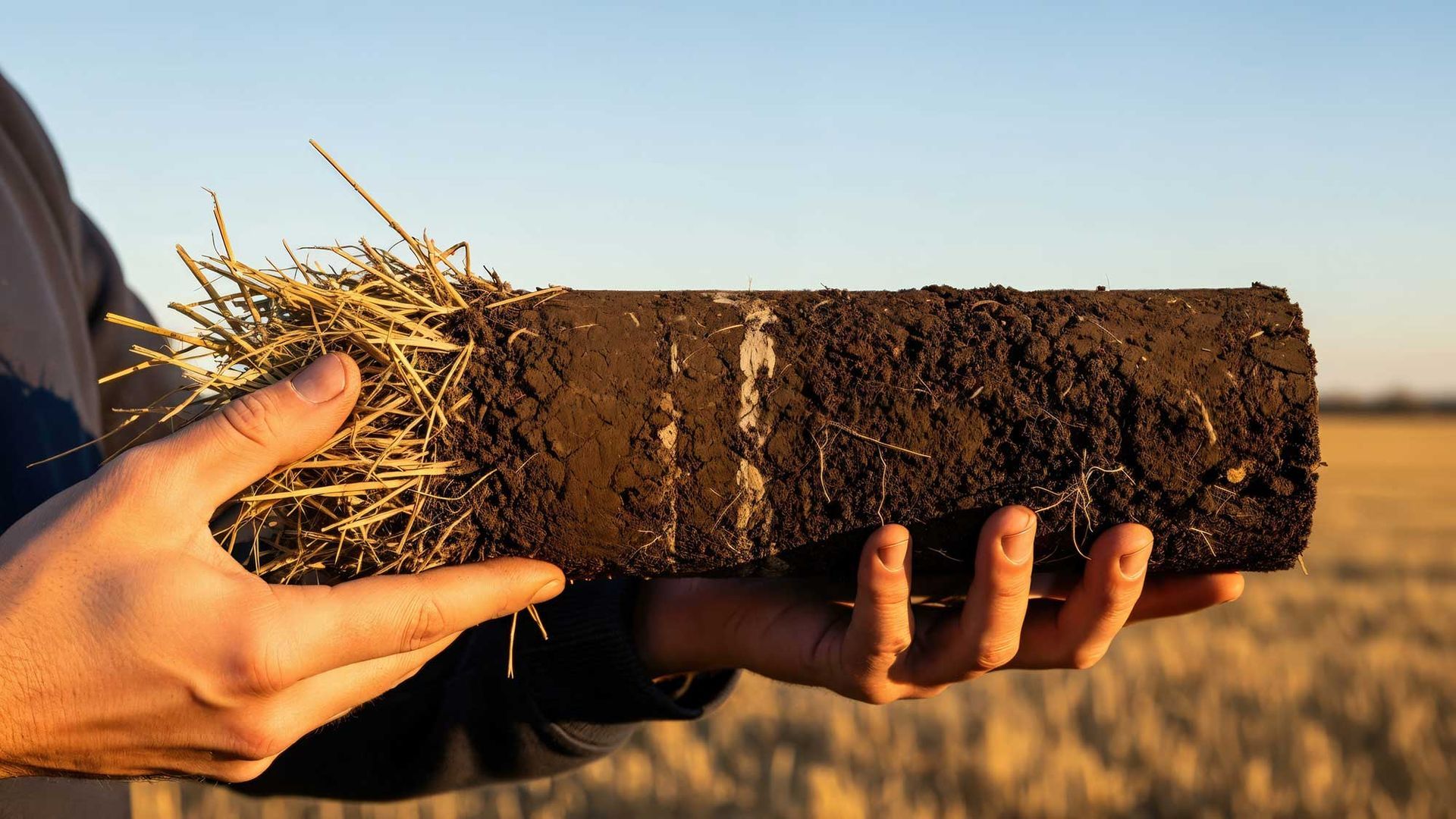
If your trees are struggling, the answer may lie underground. Yellowing leaves, poor growth, thinning canopy, or general decline can all indicate stress. Before treating the symptoms, it is important to understand the cause. That is where soil sampling comes in. Soil sampling gives arborists a clearer picture of what is happening below the surface and helps guide smarter, more effective tree care decisions. What is soil sampling? Soil sampling is the process of collecting soil from around a tree or a landscape area and analyzing it for key characteristics that affect plant health. Depending on the test, results may include information about: Soil pH Nutrient levels Organic matter content Salts or chemical imbalances Soil texture and composition This information helps determine whether the soil is supporting healthy root function or creating hidden stress for the tree. Why soil testing matters Trees can decline for many reasons, but poor soil conditions are often overlooked. For example, a tree may appear to need fertilizer when the real issue is a pH imbalance, compaction, limited nutrient availability, or excessive salts. Soil sampling helps eliminate the guesswork. Instead of applying a broad treatment and hoping for the best, arborists can base recommendations on actual site conditions. This leads to more targeted care and better long-term results. What soil sampling can reveal A soil test can uncover problems that are not visible from the surface, including: Nutrient deficiencies: Trees may lack access to essential nutrients even after fertilizer has been applied. Improper pH: If soil is too acidic or too alkaline, roots may struggle to absorb nutrients. Low organic matter: Healthy soil requires organic matter to support moisture retention, microbial life, and soil structure. Excess salts or chemical residue: Road salts, de-icing products, or previous treatments can create harmful soil conditions. A smarter approach to tree care At Xylem Tree Care, we believe the best tree care starts with good information. Soil sampling helps our team build treatment plans based on what your trees actually need, not just on symptoms that appear at first glance. That might include soil amendments, fertilization, humic acid applications, pest management, or changes to watering and maintenance practices. The goal is always the same: improve growing conditions and support healthier trees from the ground up. Because when it comes to caring for trees, the soil tells an important story.
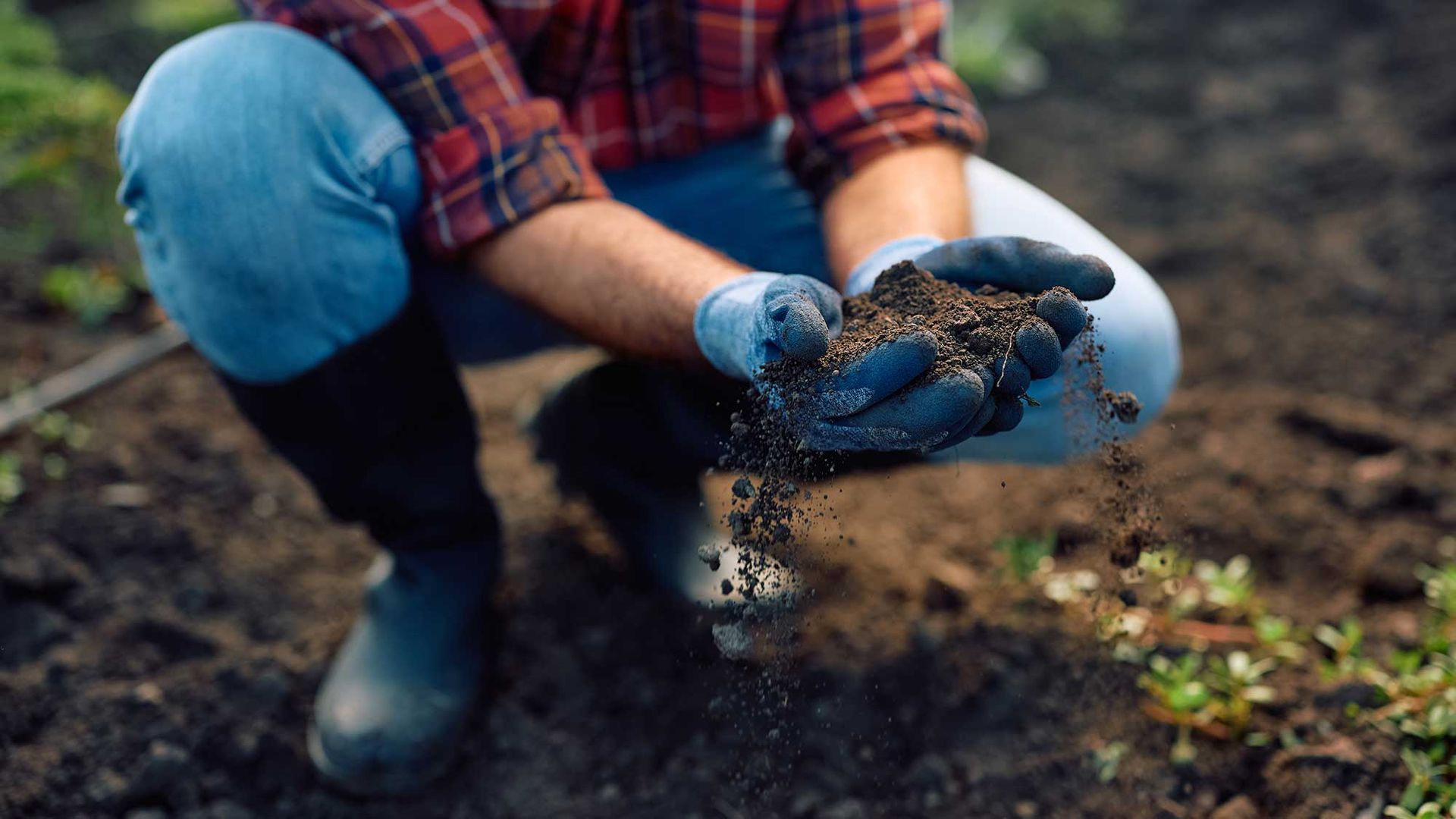
Healthy trees start below the surface. When people think about tree care, they usually focus on what they can see: leaves, branches, canopy shape, and signs of stress. But some of the most important factors affecting tree health happen underground. Soil health plays a major role in how well trees grow, respond to stress, and defend themselves against disease and environmental pressures. That is where humic acid can make a difference. What is humic acid? Humic acid is a natural organic compound that forms as plant and animal matter breaks down over time. It is a key building block of healthy soil and helps improve the environment around tree roots. Think of it as a soil conditioner that helps the soil function better. It does not replace proper fertilization or arborist care, but it can support healthier growing conditions and improve how trees access the resources they need. How humic acid supports tree health Trees rely on their root systems to take in water, oxygen, and nutrients. When soil is compacted, depleted, or imbalanced, roots struggle to do their job. Humic acid helps improve soil structure and encourages stronger root performance in several ways: Improves nutrient availability: Humic acid can help make nutrients in the soil more available to roots, which may improve nutrient uptake and overall tree vigor. Supports root development: Healthy roots are essential for healthy trees. Humic acid promotes a better root environment, supporting stronger growth below ground. Enhances water retention: In some soil types, humic acid helps the soil retain moisture more effectively while still allowing for better drainage and air movement. Encourages microbial activity: Healthy soil is alive. Beneficial microbes contribute to nutrient cycling and soil balance, and humic acid can help sustain that biological activity. When trees may benefit Humic acid treatments may be especially helpful for trees growing in challenging conditions, such as: Compacted urban soils Construction-disturbed areas Landscapes with poor organic matter Trees showing slow growth or stress Properties with repeated drought pressure In these environments, improving the soil can be one of the most effective ways to support tree health over time. A better foundation for long-term care At Xylem Tree Care, we know that tree health is about more than what happens above ground. Our arborists look at the full picture, including soil conditions, root health, and environmental stressors, to recommend the right care plan for your property. Humic acid can be a valuable part of that strategy, helping create a healthier foundation for stronger, more resilient trees. When the soil improves, the tree has a better chance to thrive.

Randolph Hoover, CEO of XKIG, has been named to the 2026 Board of Directors for the Tree Care Industry Association (TCIA), bringing decades of leadership and a passion for advancing tree care nationwide. For Xylem Tree Care, part of the XKIG portfolio of companies, this recognition highlights the importance of thoughtful leadership in an industry that directly impacts the health, safety, and beauty of the communities we serve. With over 30 years of experience, Hoover has built an organization grounded in strong values, professional expertise, and a dedication to doing right by customers, communities, and the environment. As tree care continues to be essential in both residential and commercial settings, industry leadership promotes best practices, responsible stewardship, and long-term sustainability. Through his position on the TCIA Board, Hoover will support these priorities while advancing the profession as a whole. At Xylem Tree Care, we believe excellent tree care begins with strong leadership, trusted expertise, and a dedication to service. This appointment demonstrates those values in action and underscores our commitment to caring for the landscapes and communities we are proud to serve. Read the press release here: TCIA Board of Directors: Leadership Overview - Tree Care Industry Magazine