What Soil Sampling Can Tell You About Your Trees
If your trees are struggling, the answer may lie underground.
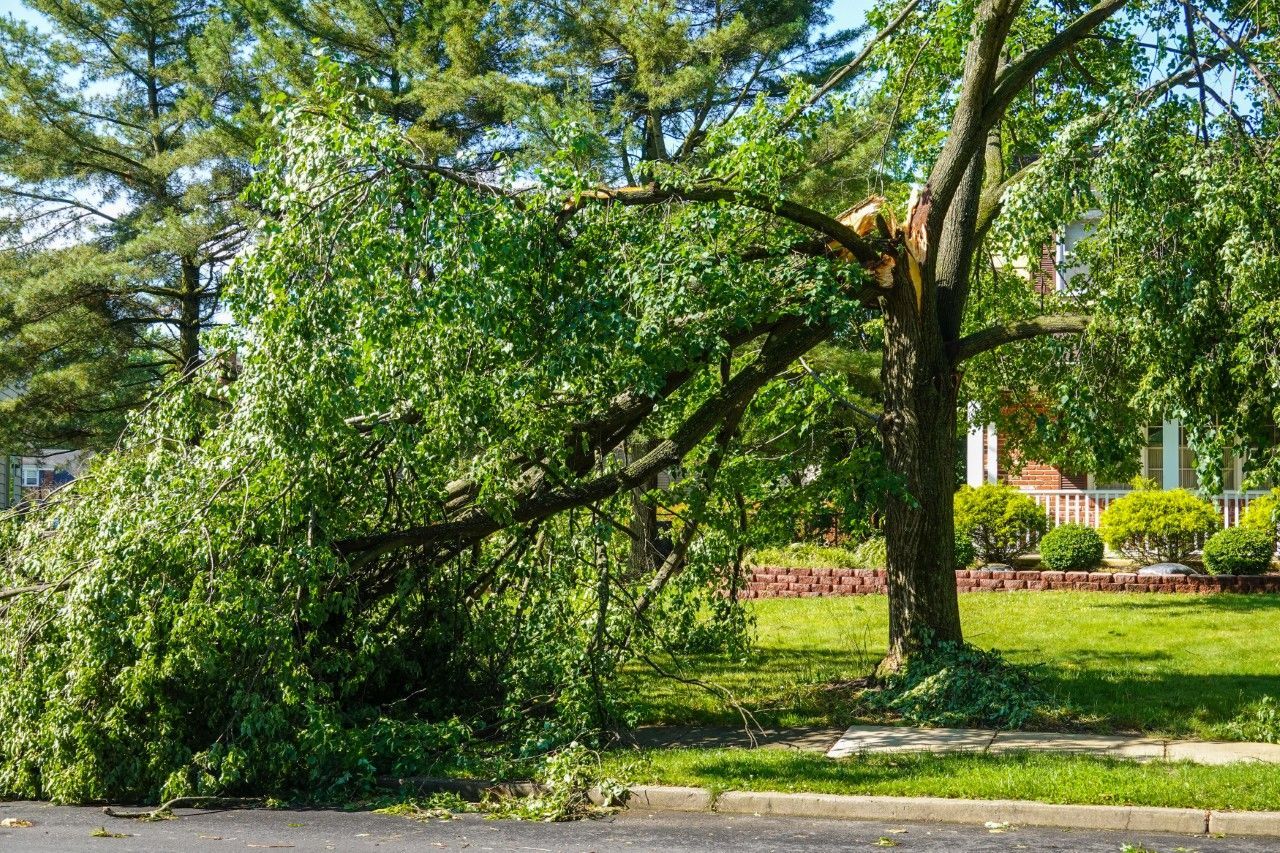
Yellowing leaves, poor growth, thinning canopy, or general decline can all indicate stress. Before treating the symptoms, it is important to understand the cause. That is where soil sampling comes in.
Soil sampling gives arborists a clearer picture of what is happening below the surface and helps guide smarter, more effective tree care decisions.
What is soil sampling?
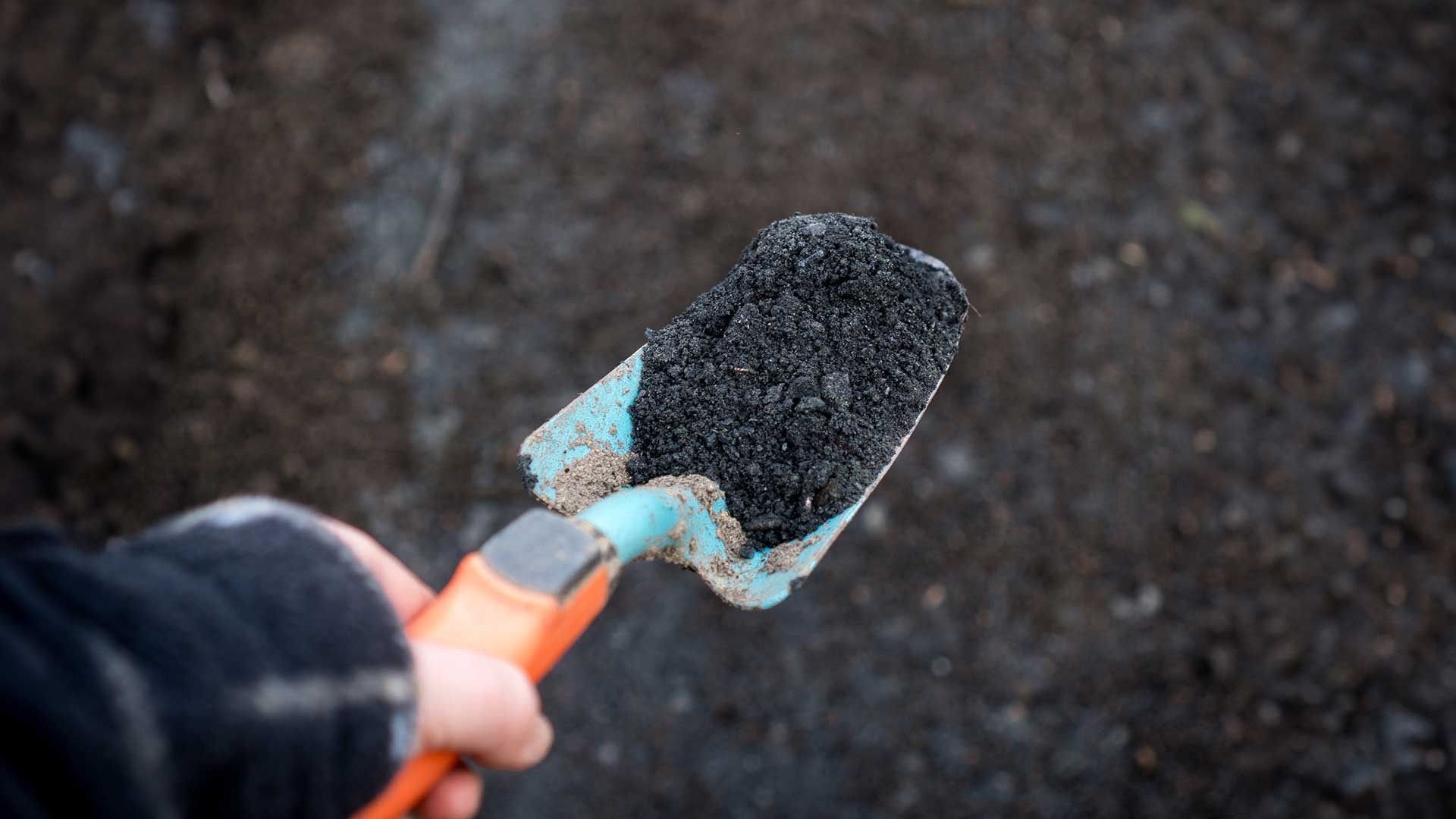
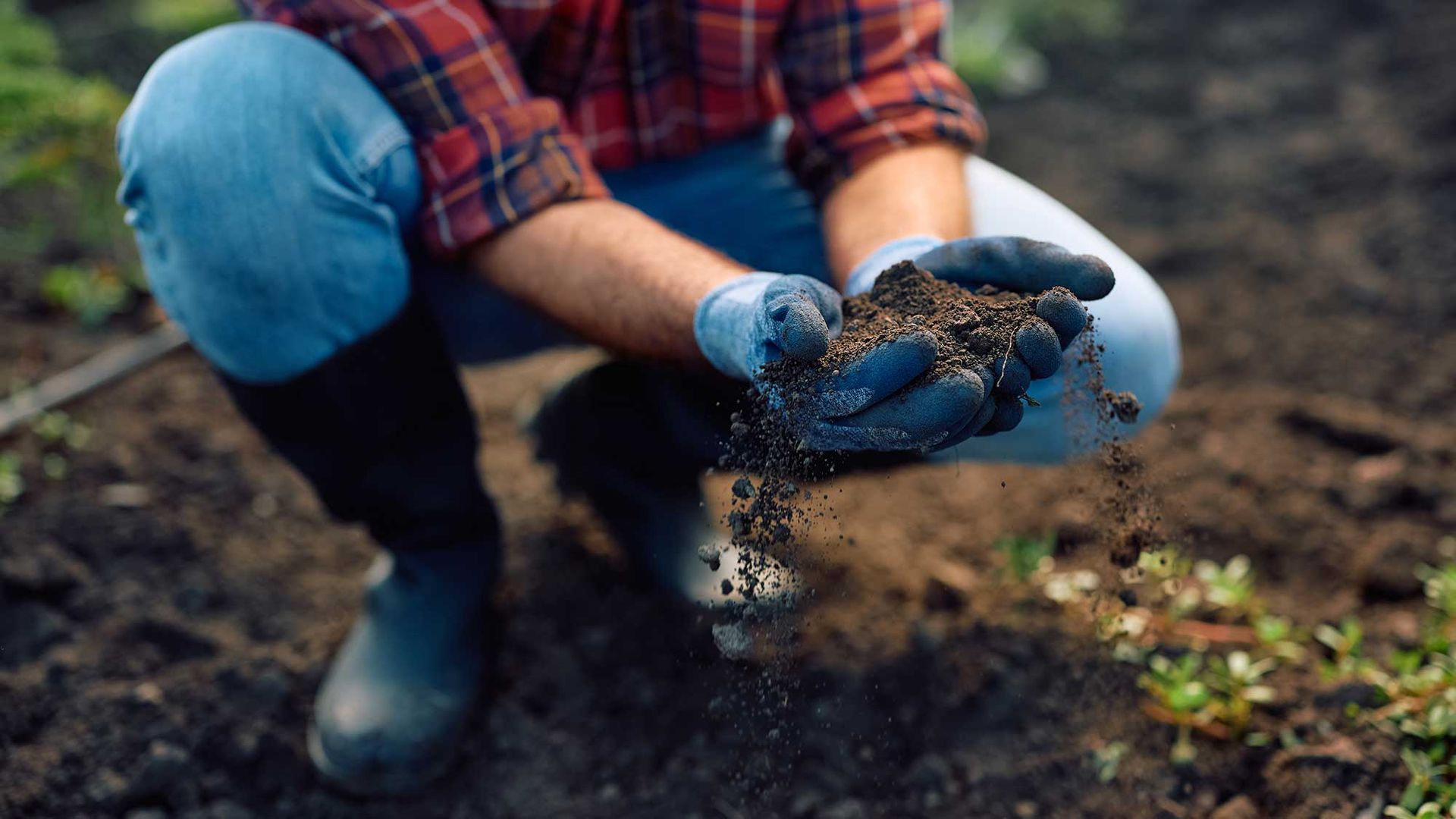
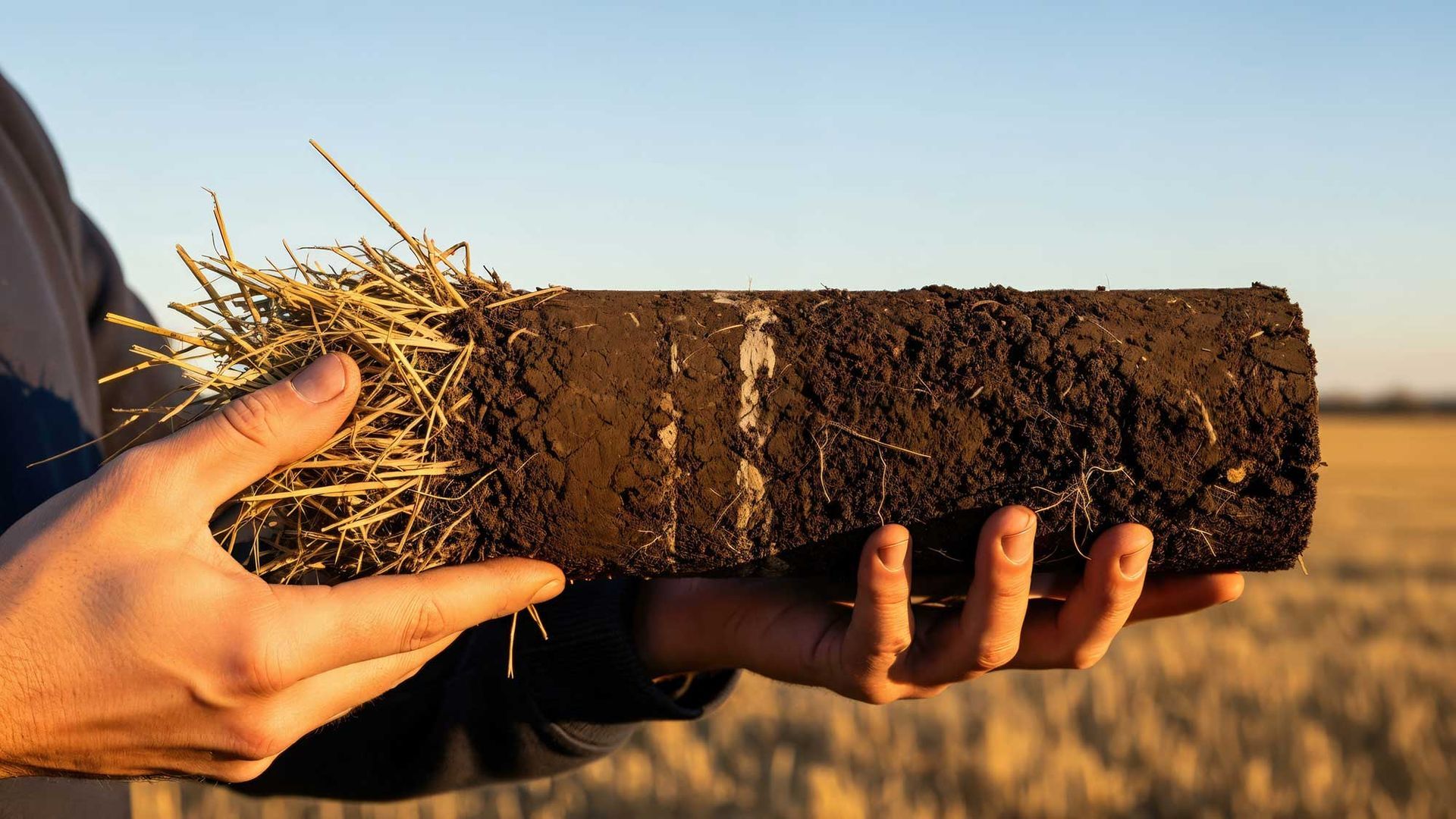
Soil sampling is the process of collecting soil from around a tree or a landscape area and analyzing it for key characteristics that affect plant health. Depending on the test, results may include information about:
- Soil pH
- Nutrient levels
- Organic matter content
- Salts or chemical imbalances
- Soil texture and composition
This information helps determine whether the soil is supporting healthy root function or creating hidden stress for the tree.
Why soil testing matters
Trees can decline for many reasons, but poor soil conditions are often overlooked. For example, a tree may appear to need fertilizer when the real issue is a pH imbalance, compaction, limited nutrient availability, or excessive salts.
Soil sampling helps eliminate the guesswork.
Instead of applying a broad treatment and hoping for the best, arborists can base recommendations on actual site conditions. This leads to more targeted care and better long-term results.
What soil sampling can reveal
A soil test can uncover problems that are not visible from the surface, including:
- Nutrient deficiencies: Trees may lack access to essential nutrients even after fertilizer has been applied.
- Improper pH: If soil is too acidic or too alkaline, roots may struggle to absorb nutrients.
- Low organic matter: Healthy soil requires organic matter to support moisture retention, microbial life, and soil structure.
- Excess salts or chemical residue: Road salts, de-icing products, or previous treatments can create harmful soil conditions.
A smarter approach to tree care
At Xylem Tree Care, we believe the best tree care starts with good information. Soil sampling helps our team build treatment plans based on what your trees actually need, not just on symptoms that appear at first glance.
That might include soil amendments, fertilization, humic acid applications, pest management, or changes to watering and maintenance practices. The goal is always the same: improve growing conditions and support healthier trees from the ground up.
Because when it comes to caring for trees, the soil tells an important story.