Insect Growth Regulators: A Smarter Way to Manage Certain Tree Pests

Not every pest treatment has to work the same way.
In tree care, the best solutions are often targeted, strategic, and designed around the pest’s life cycle. One tool arborists may use in the right situation is an insect growth regulator (IGR).
These products do not always kill insects on contact. Instead, they disrupt development, helping prevent immature insects from becoming damaging adults. When used properly, insect growth regulators can be an effective part of an integrated plant health care plan.
What is an insect growth regulator?
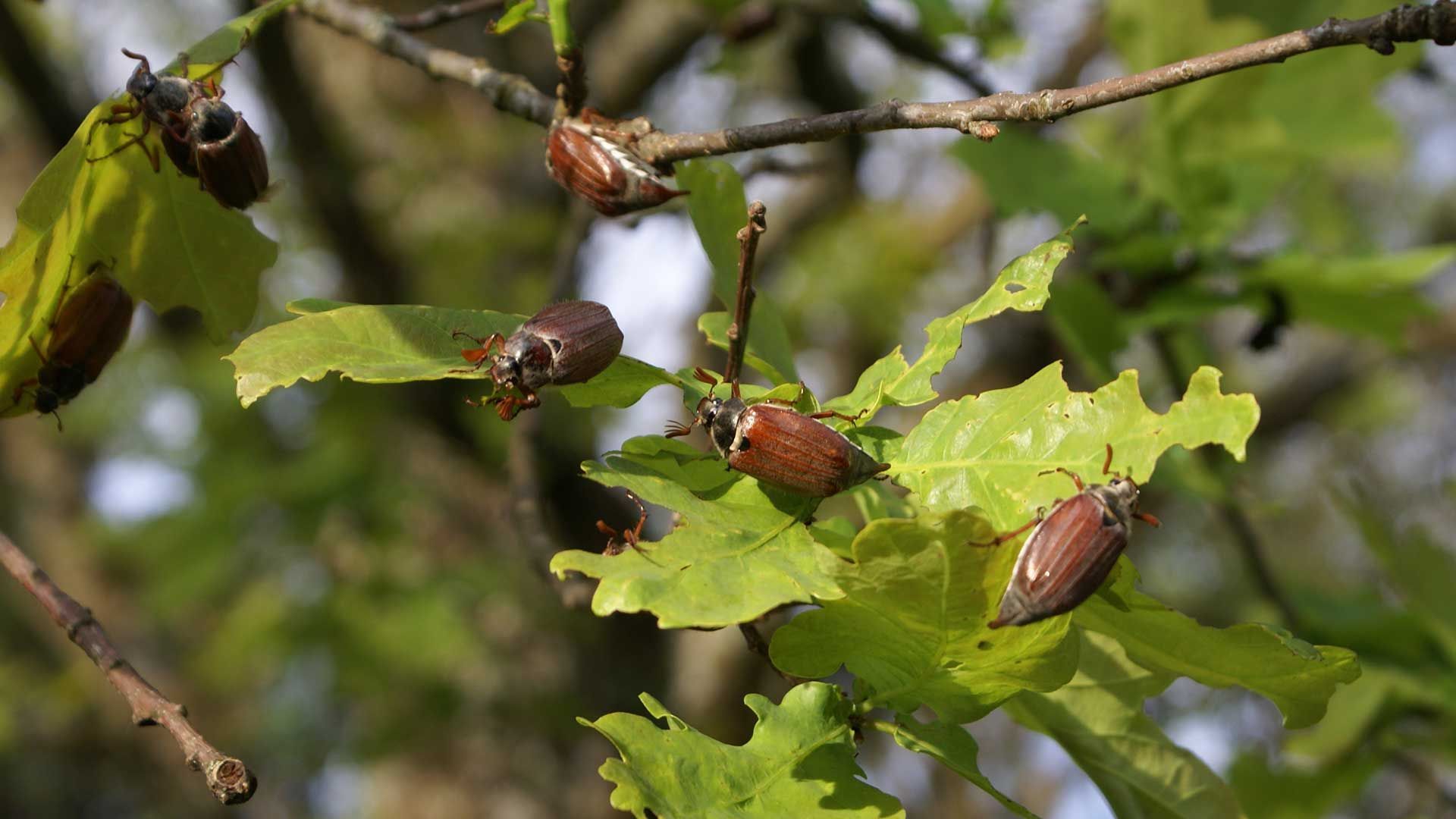
An insect growth regulator is a product designed to disrupt the growth and development of certain insects. Depending on the active ingredient and target pest, an IGR may prevent immature insects from molting properly, maturing into adults, or reproducing successfully.
In simple terms, it interrupts the pest’s life cycle.
Timing is especially important. IGRs are often most effective when applied during specific stages of insect development.
Why Arborists Use IGRs
Some tree pests can cause significant damage if left untreated. However, not every situation requires the same treatment approach. Insect growth regulators may be recommended when arborists want a more targeted option as part of a broader pest management strategy.
Potential benefits include:
- Targeted control: IGRs are typically designed for specific insect types and are often used when a pest issue is known.
- Life cycle disruption: By targeting immature stages, IGRs can reduce future pest pressure rather than addressing only what is visible at the moment.
- Useful in integrated care plans: IGRs can be one component of a broader plant health care program that may also include monitoring, soil care, pruning, and other treatments.
Why proper diagnosis matters
Not every insect issue warrants an IGR. The pest must be correctly identified, and the timing must align with the insect’s biology. That is why professional evaluation matters.
An arborist will consider:
- Which pest is present
- The life stage of the insect
- The level of infestation
- The overall health of the tree
- Whether an IGR is the right fit for the situation
Treating too early, too late, or for the wrong pest can reduce effectiveness.
Part of a bigger tree health strategy
At Xylem Tree Care, we take a thoughtful approach to plant health care. That means looking beyond quick fixes and recommending treatments grounded in science, timing, and the specific needs of the tree and property.
Insect growth regulators can be a valuable tool in certain cases, especially when used as part of a proactive strategy to protect tree health and reduce pest pressure over time.
The right treatment starts with the right diagnosis — and a plan designed for long-term tree health.