What’s Happening at the Base of Your Tree? How Root Collar Excavation Can Reveal Hidden Problems
When homeowners think about tree care, they usually look up. Dead branches, thinning leaves, broken limbs, and an uneven canopy are easy to see. But some of the most important indicators of a tree’s health may be hidden beneath the soil.
Root collar excavation carefully removes excess soil and material from around the tree’s base, allowing an arborist to see what is actually happening beneath the surface. This can expose buried root collars, excess soil or mulch, stem-girdling roots, and other conditions that may affect a tree’s long-term health and stability.
How is Root Collar Excavation Performed?
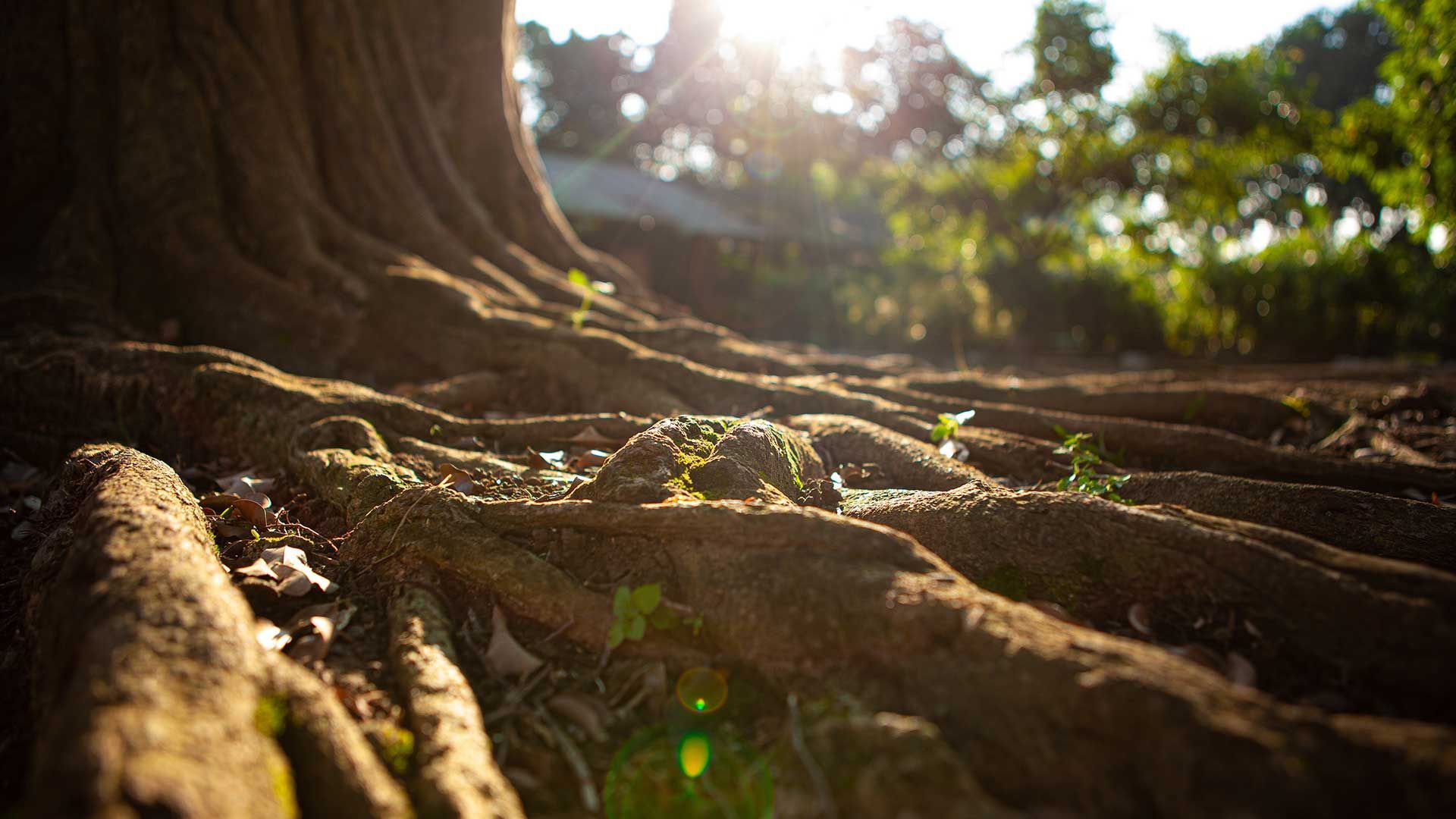
At the base of a healthy tree, the trunk should naturally widen where it meets the soil. This area, sometimes called the root flare, is an important transition zone between the trunk and the tree’s structural roots. Unfortunately, the root collar can become buried due to improper planting, changes in landscape grade, excessive mulch, or soil accumulation over time.
Specialized tools can be used to remove soil while minimizing unnecessary damage to the root system. Once the root collar is visible, an arborist can assess root development and determine whether corrective care may be appropriate.
Depending on the tree and its condition, recommendations may include removing excess soil or mulch, addressing girdling roots, correcting surrounding soil conditions, or selectively pruning problematic roots.
One common concern is girdling roots. Instead of growing outward from the trunk, these roots grow across or around the base of the tree. As the tree and its roots increase in diameter, the roots can press against the trunk and interfere with the movement of water and nutrients.
Fall Can Be a Good Time to Look Below the Surface
As trees transition toward dormancy, homeowners often start thinking about pruning the canopy. It can also be a useful time to evaluate the root system.
Root pruning should always be approached carefully. Roots supply water and nutrients and support the tree’s structural stability, so removing the wrong root or too much of the root system can create additional problems. A qualified tree care professional can determine whether root pruning is appropriate and develop a plan tailored to the tree’s species, age, condition, and surrounding environment.
The goal is not simply to remove roots. It is to create conditions that support healthier future growth.
Give your trees care from the ground up. Call us today at 833-544-8733 (TREE) to schedule a free consultation and estimate.