Below the Surface: How Healthy Soil Supports Healthy Trees
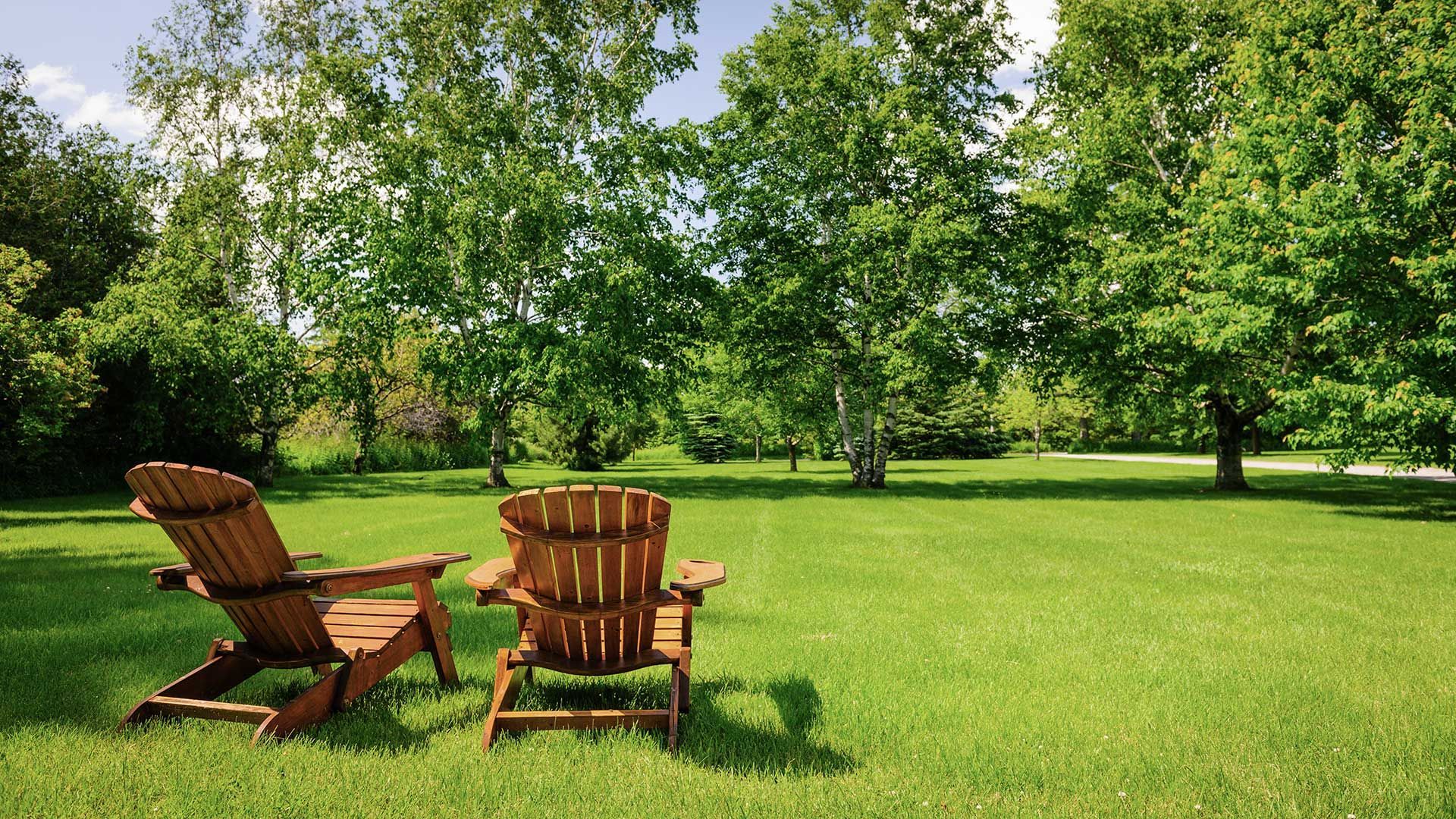
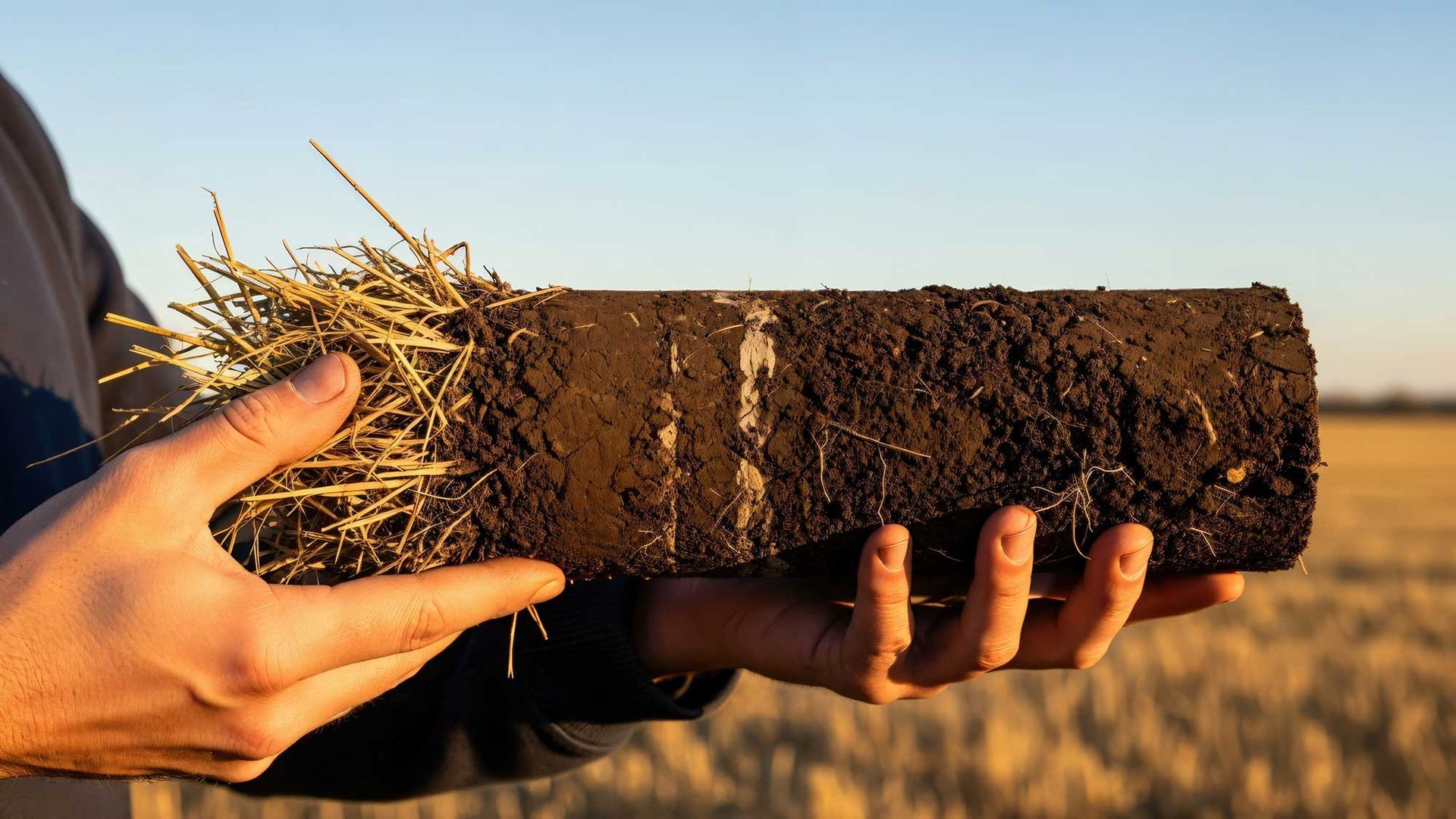
A beautiful lawn does not necessarily mean the soil beneath your trees is healthy. Years of foot traffic, construction, vehicle traffic, landscaping, and natural settling can compact the soil, making it harder for tree roots to access the air, water, and nutrients they need.
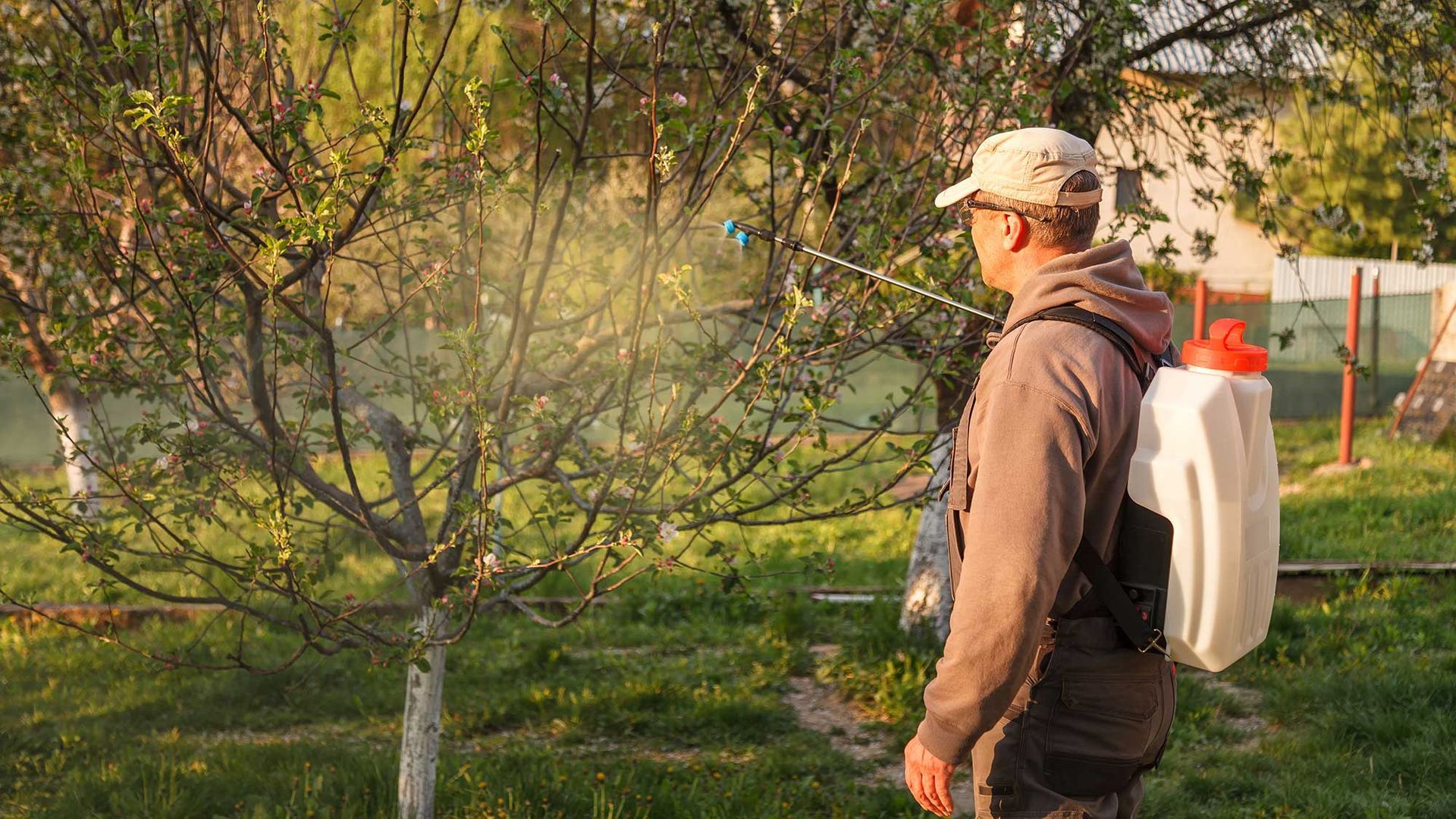
That is why professional tree care goes beyond pruning. Soil conditioning and decompaction can improve the growing environment around established trees, and carefully selected amendments can address specific soil needs. It is another way homeowners can care for the parts of their trees they cannot see.
Why Compacted Soil Can Be a Problem
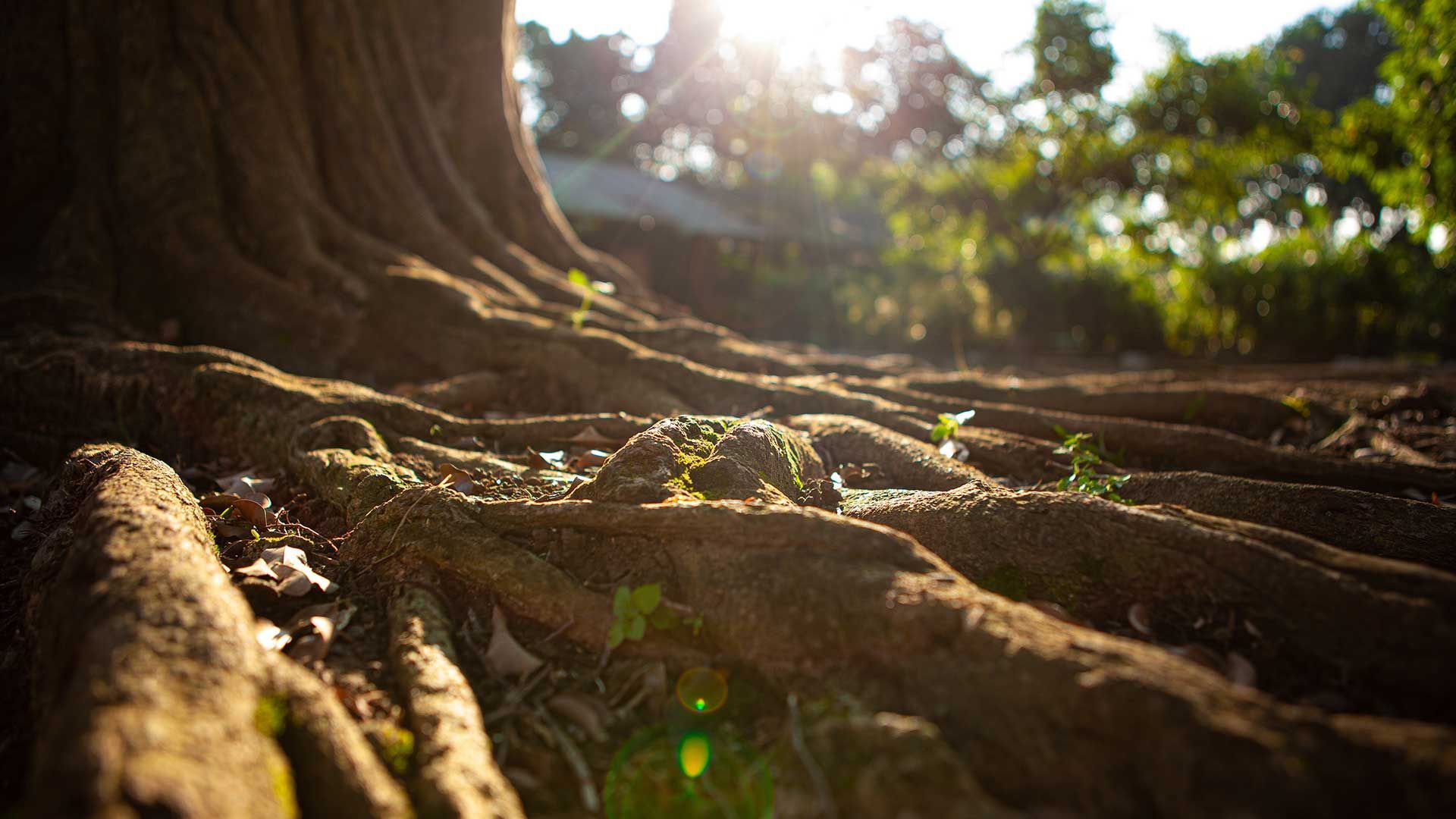
Tree roots need more than soil. They also depend on pore spaces within the soil that allow water and oxygen to move through the root zone. When soil becomes heavily compacted, those spaces shrink. Water may have difficulty penetrating the soil, oxygen availability can decline, and roots may have a harder time expanding into the surrounding soil.
Compaction is especially common around trees in residential landscapes, where people, pets, lawn equipment, vehicles, or construction activity regularly traverse the root zone. Over time, poor soil conditions can contribute to stress that may become visible in the canopy.
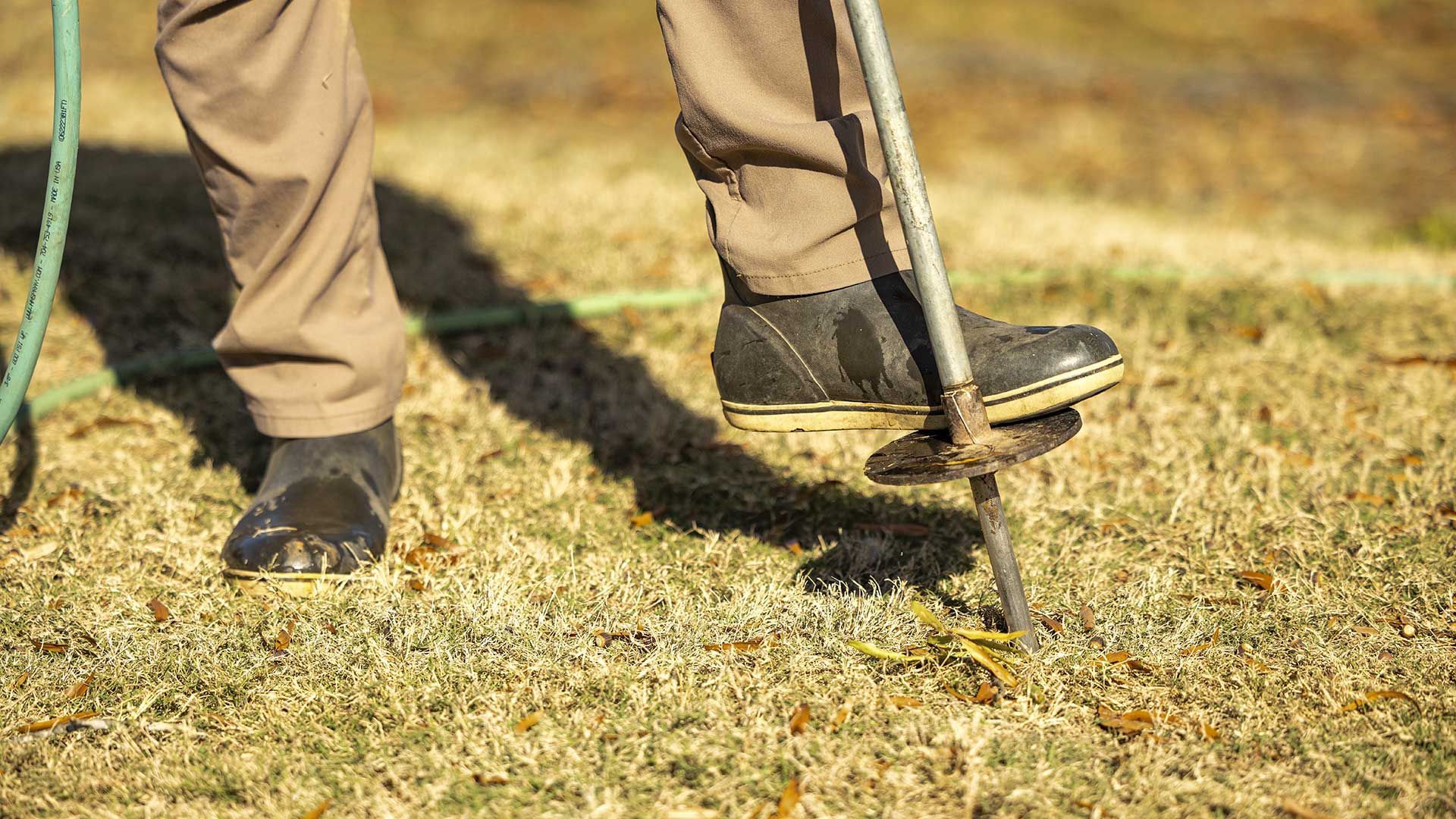
Xylem Tree Care provides professional soil decompaction, loosening compacted areas while minimizing unnecessary disturbance to tree roots.
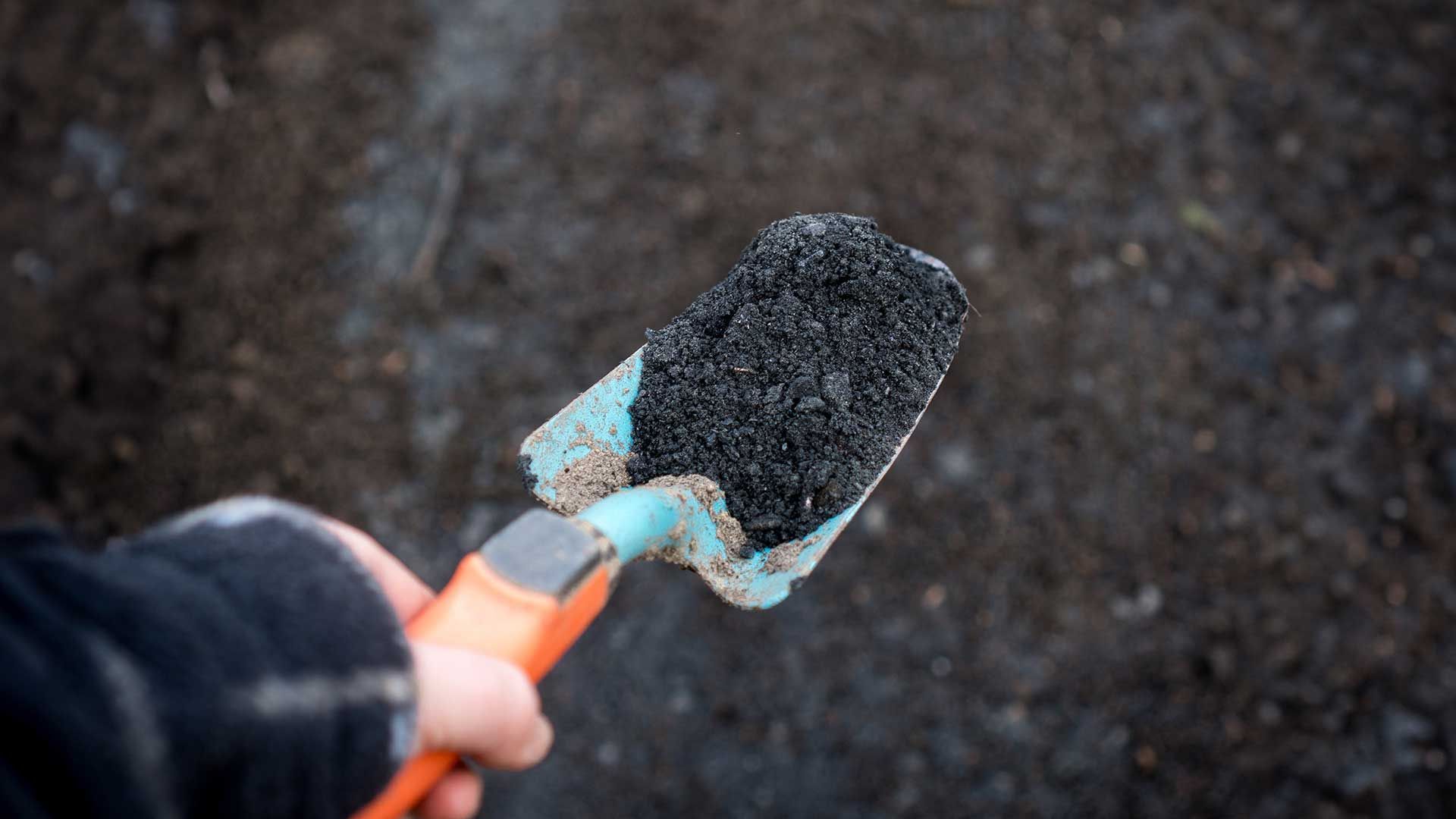
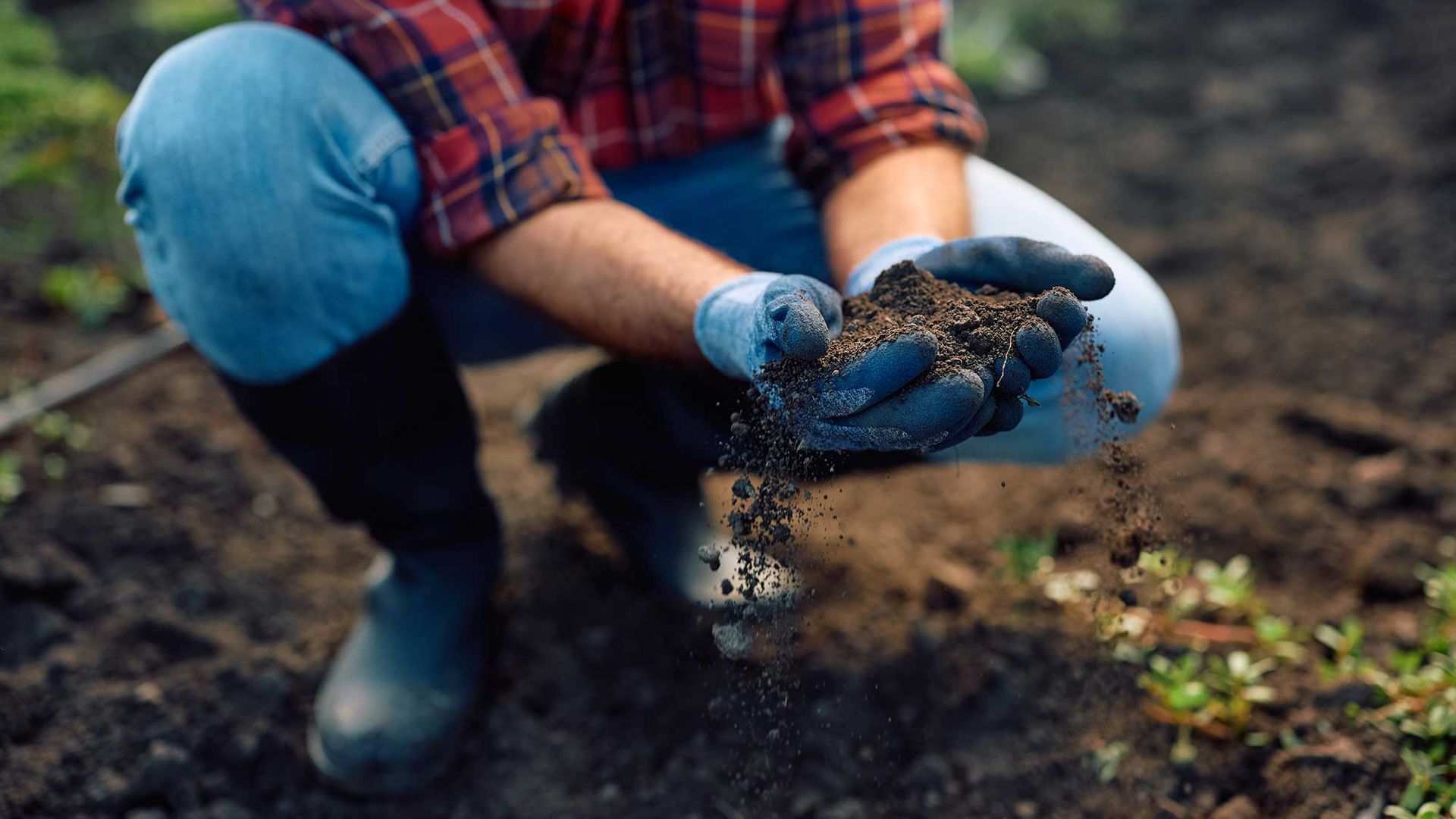
Depending on site conditions, arborists may use specialized equipment to loosen compacted soil and improve root zone structure. Appropriate organic matter or other amendments may then be incorporated based on the soil and tree's needs.
Give Your Trees a Stronger Foundation for Winter
Fall is a critical transition period for trees. As days shorten and temperatures cool, deciduous trees begin moving toward dormancy. Leaves eventually drop, but biological activity does not simply stop the moment the canopy becomes bare.
Trees rely on energy reserves stored in their tissues to support maintenance and future spring growth. Maintaining healthy soil and root conditions is an important part of overall tree health heading into winter.
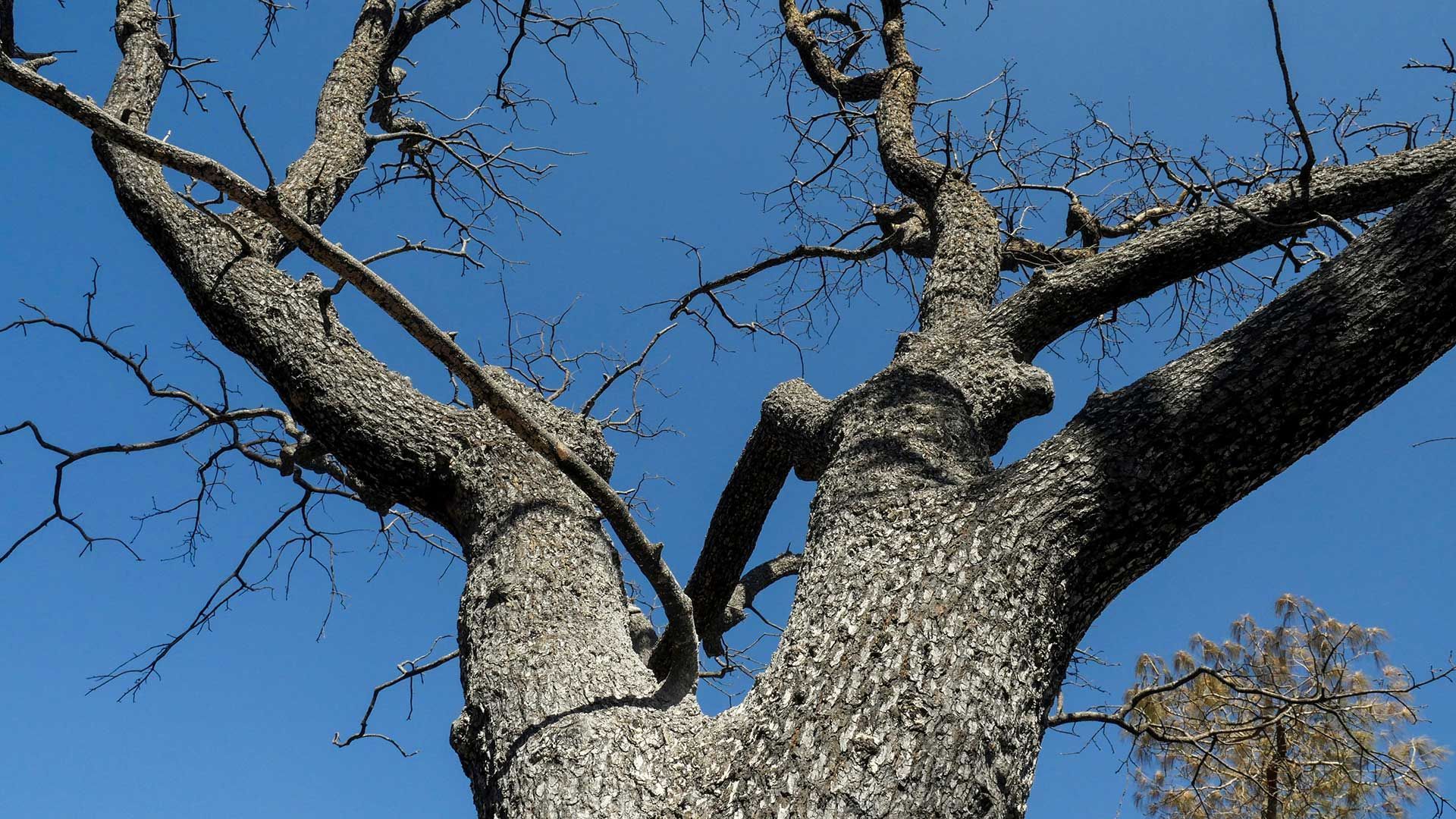
This is also a good time to evaluate trees while foliage is still present. Thinning areas, dead or declining branches, and changes in leaf color or density may be easier to identify before leaf drop. These observations can help guide winter pruning and other recommended care.
If your soil is hard and compacted, water tends to run off instead of soaking in, or an established tree is showing signs of stress without an obvious cause, it may be time to take a closer look at the root zone.
Help your trees prepare for the seasons ahead. Call us today at 833-544-8733 (TREE) to schedule a free consultation and estimate.